Cold weather in Houston does not last long, but when your heater quits on the one week you actually need it, the discomfort shows up fast. A house that felt fine at bedtime can be chilly by morning, and for families, tenants, and small businesses, that is not a problem you want to put off.
Furnace repair is usually most stressful when it starts with a small sign people hoped would go away. A strange smell on startup. Rooms that never quite warm up. A system that keeps running without getting the temperature where it should be. The good news is that many furnace problems give early warnings. Catching them quickly can mean a simpler repair, lower cost, and less downtime.
What furnace repair usually starts with
Most service calls do not begin with a total shutdown. They begin with performance issues. You may notice weak airflow, short cycling, uneven heating, or a thermostat setting that does not match how the building actually feels. In a commercial space, employees may mention cold spots. At home, one bedroom may stay cool while the rest of the house seems comfortable.
Those symptoms can point to several different causes. A clogged filter can restrict airflow and put stress on the system. A faulty ignitor can stop the furnace from heating at all. Problems with the blower motor, limit switch, flame sensor, or thermostat can also interrupt normal operation. Sometimes the issue is in the furnace itself. Sometimes it is in the ductwork or controls. That is why accurate diagnosis matters as much as the repair.
In Houston-area properties, heating systems also tend to sit unused for long stretches. That creates a different pattern than in colder climates where furnaces run hard for months. A system may seem fine at the end of one winter, then develop ignition, sensor, or electrical issues by the time the next cold front rolls in. Lack of regular maintenance can make those first startup problems more likely.
Signs you may need furnace repair now
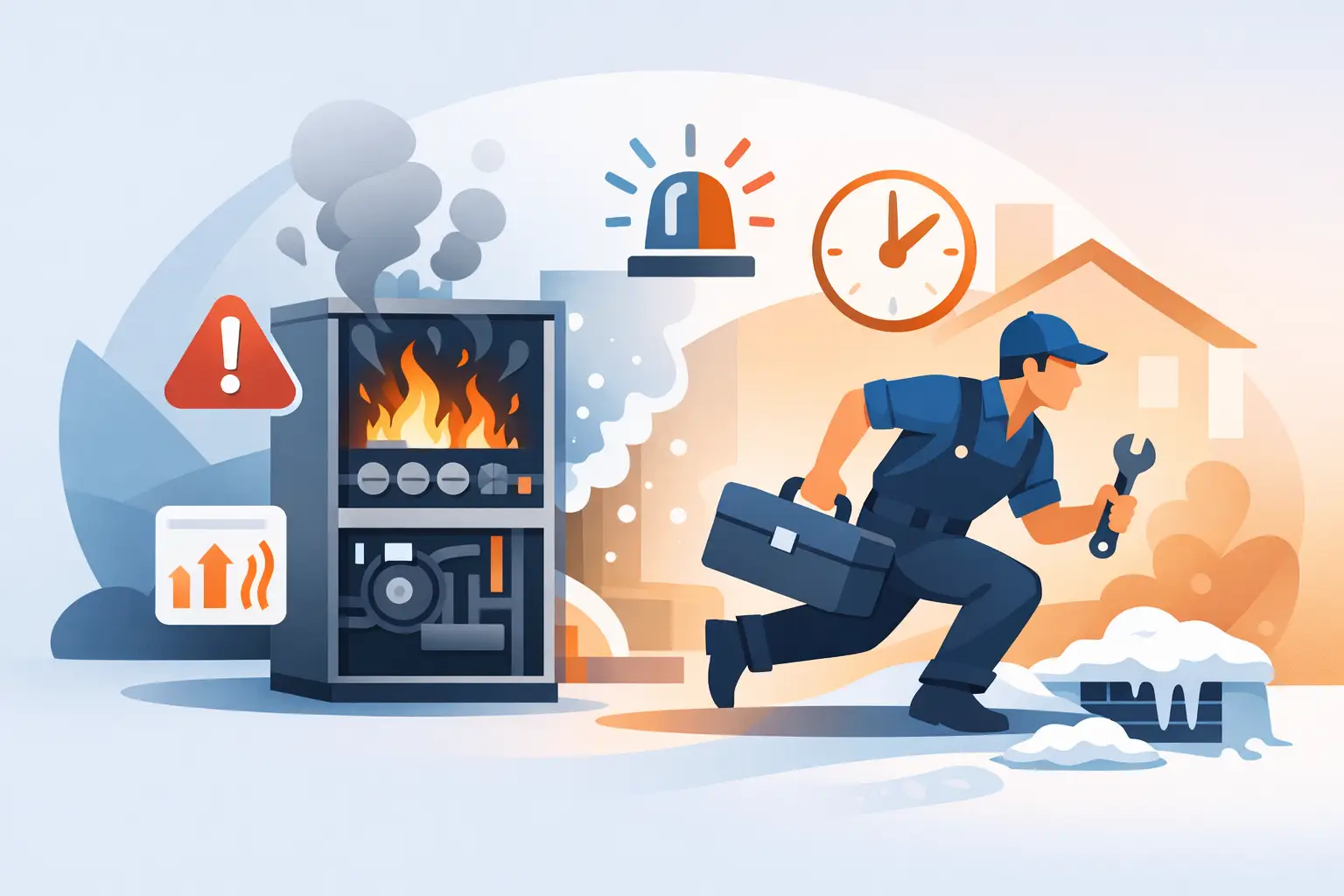
Some issues can wait a day or two for a regular appointment. Others call for immediate attention. If your furnace is blowing cold air, making loud banging or screeching noises, turning on and off repeatedly, or failing to start at all, it is time to have it checked. If your utility bill jumps without a clear reason, your furnace may be working harder than it should.
There are also safety concerns that should never be ignored. If you smell gas, shut the system down, leave the area, and follow emergency safety steps before scheduling service. If you suspect a carbon monoxide issue, treat that as urgent right away. A furnace should deliver heat safely, not just eventually.
Older systems deserve extra attention here. A furnace that is 12 to 15 years old can still be repairable, but age changes the conversation. Parts wear down, efficiency drops, and repairs can become more frequent. In those cases, the right decision depends on the condition of the equipment, the cost of the repair, and how dependable the system has been recently.
Common furnace problems and what they mean
A dirty flame sensor is one of the more common reasons a gas furnace starts and then shuts off. The system tries to ignite, fails to confirm flame properly, and cuts itself off as a safety measure. This can often be corrected, but it needs to be handled properly.
Ignitor failures are also common, especially after long periods of disuse. If the furnace will not light, the ignitor may no longer be doing its job. Blower motor issues show up differently. You might hear the unit running but feel very little warm air coming through the vents. In some cases, the motor is failing. In others, the capacitor or control board is the problem.
Thermostat problems can be deceptively simple. If the furnace is not responding correctly, the issue may be poor calibration, dead batteries, wiring trouble, or an outdated thermostat that no longer communicates well with the system. That is why a full diagnostic approach saves time. Replacing the wrong part first only delays the real fix.
Airflow problems can also push a furnace into overheating and shutdown. A blocked filter, closed vents, dirty blower components, or duct restrictions can all cause trouble. The repair may be straightforward, but if the underlying airflow issue is not corrected, the same problem can return.
Furnace repair versus replacement
This is where homeowners and property managers often want a straight answer, and the honest one is that it depends. Not every major repair means you need a new system. If your furnace is relatively young, the repair is reasonable, and the rest of the unit is in solid condition, repairing it usually makes sense.
If the furnace is older, has needed multiple repairs, or is causing comfort and energy problems throughout the property, replacement may be the smarter long-term move. A lower repair bill today is not always the lower-cost choice over the next two years. On the other hand, replacing a system too early is not ideal either. The right recommendation should be based on the equipment condition, repair history, safety, and expected performance after the fix.
That practical approach matters in Houston, where many customers are balancing heating needs in winter with major cooling demands the rest of the year. If the furnace is part of a larger HVAC system with broader performance issues, it can make sense to look at system-wide efficiency, controls, and duct condition instead of treating the furnace as a standalone problem.
What to expect during a furnace repair visit
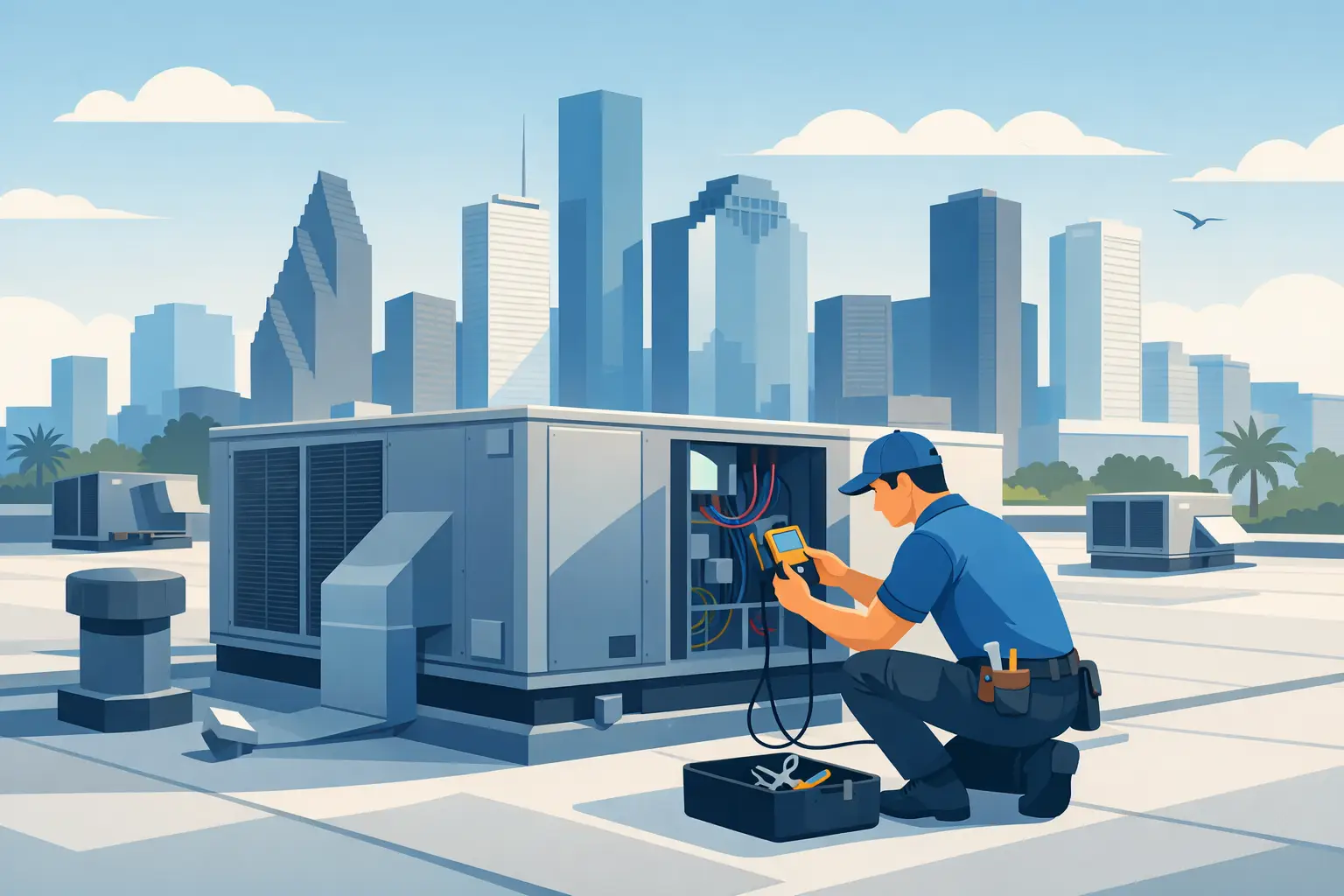
A professional furnace repair appointment should start with diagnosis, not guessing. The technician should inspect the furnace, test key components, verify airflow, check controls and safety devices, and identify what is causing the failure or poor performance. Once the issue is confirmed, you should get a clear explanation of the repair options.
That explanation should include whether the repair addresses the full problem or just one symptom, how urgent it is, and whether any related wear or maintenance issues were found. For property owners and managers, this helps with cost planning. For homeowners, it gives peace of mind that the heat is being restored for the right reason, not with a temporary patch.
When service is handled the right way, the goal is not just to get the furnace running for one night. It is to restore dependable operation and reduce the chance of another breakdown as the weather stays cold.
How maintenance reduces furnace repair calls
Many emergency heating problems can be traced back to skipped maintenance. A seasonal inspection gives technicians the chance to clean components, check ignition performance, inspect electrical connections, test safety controls, and catch wear before it turns into failure.
That does not mean maintenance prevents every repair. Parts can still fail with age. But it often reduces the surprise factor. Instead of finding out your furnace has a weak ignitor during the first freeze, you find out during a scheduled service visit when there is time to address it properly.
For homes and businesses that want predictable costs and fewer disruptions, regular maintenance is usually the more efficient path. It also helps the system run more efficiently, which matters when energy bills are already under pressure.
Choosing a furnace repair company in Houston
When heat goes out, speed matters, but so does accuracy. You want a company that can respond quickly, explain the issue clearly, and handle both immediate repairs and longer-term HVAC needs if the problem turns out to be bigger than expected.
That is especially true for landlords, facility managers, and small business owners who cannot afford repeat visits or incomplete fixes. A technician-led team with experience across repair, maintenance, replacement, and system optimization can give you better guidance because they are not limited to one narrow service. If a repair is the right move, they should say so. If the bigger issue is aging equipment, poor airflow, or neglected maintenance, they should be able to address that too.
For Houston-area customers, Elisee HVAC and Home Services Houston supports both urgent heating issues and long-term HVAC care, with responsive service designed to keep homes and businesses comfortable without unnecessary delays.
When to make the call
If your furnace is making noise, struggling to heat evenly, cycling too often, or not turning on, waiting rarely improves the outcome. Small mechanical and airflow issues usually get more expensive when the system keeps trying to run through them.
A good furnace repair call is not just about fixing what failed. It is about protecting comfort, controlling costs, and making sure your heating system is ready the next time the temperature drops. When your furnace starts telling you something is wrong, it is worth listening before a cool night turns into a much bigger problem.