
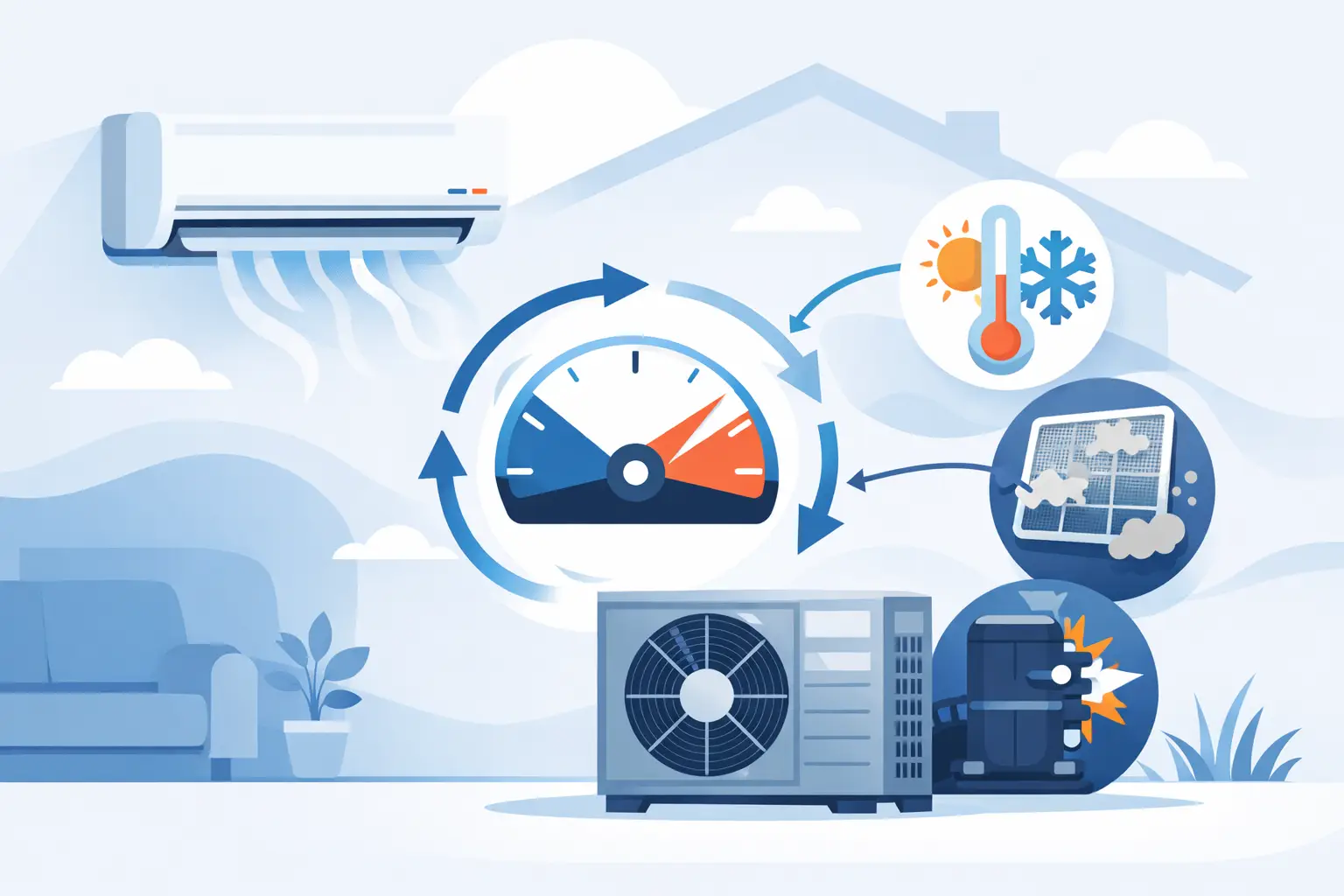
If your air conditioner kicks on, runs for a minute or two, shuts off, and then starts back up again, that is not normal wear and tear. Homeowners often ask what causes short cycling AC problems when the house still feels warm, the humidity climbs, and the electric bill starts moving in the wrong direction. In Houston heat, short cycling is more than an annoyance - it is a warning sign that your system is under strain.
Short cycling means your AC is turning on and off too frequently without completing a full cooling cycle. A healthy system should run long enough to lower the indoor temperature steadily and remove moisture from the air. When it cannot do that, comfort drops fast and parts wear out sooner. The cause can be simple, like a dirty filter, or more serious, like a refrigerant issue, electrical control failure, or an oversized system.
What causes short cycling AC systems to start and stop early?
The most common reason is restricted airflow. When airflow is blocked, the system can overheat or experience pressure problems that force it to shut down before it should. A clogged air filter is the first thing to check because it is easy to overlook and can create bigger problems than most people expect. Dirty evaporator coils, blocked supply vents, or duct issues can create the same kind of stress.
Thermostat problems are another frequent cause. If the thermostat is reading temperature incorrectly, is installed in a poor location, or has wiring issues, it may tell the system to shut off too soon. We see this in homes where the thermostat sits near a sunny window, supply vent, or warm appliance. The system is not responding to the real temperature across the house - it is responding to one bad reading.
Low refrigerant can also trigger short cycling. Refrigerant does not get "used up" under normal conditions, so low levels usually point to a leak. When refrigerant pressure drops, the system cannot absorb and move heat properly. That can lead to freezing, poor cooling, and repeated shutdowns. This is not a wait-and-see issue, especially during peak summer demand.
Then there is system sizing. An oversized air conditioner can cool the thermostat area too quickly and shut off before the rest of the home is properly cooled or dehumidified. That may sound like a good problem to have, but it is not. In Houston, oversized equipment often leaves rooms clammy and drives unnecessary wear because the system starts and stops constantly instead of running in balanced cycles.
Common AC short cycling causes inside the system
Some short cycling problems come from electrical or mechanical failures that are not visible from the hallway thermostat. A failing capacitor, damaged relay, weak contactor, or control board issue can interrupt operation and cause erratic cycling. When these parts begin to fail, the unit may still run, just not reliably.
A dirty condenser coil outside can play a role too. If the outdoor unit cannot release heat effectively, pressure in the system can rise and trigger protective shutdowns. That is one reason seasonal maintenance matters so much in this climate. Houston systems work hard for long stretches, and buildup on coils happens faster than many property owners realize.
Frozen evaporator coils can create a stop-start pattern as well. Ice buildup may seem like the opposite of an overheating issue, but both can come from airflow restrictions or refrigerant problems. The unit may shut down, thaw a bit, start back up, and repeat the cycle. If you notice weak airflow, ice on refrigerant lines, or water around the indoor unit, that is a strong sign the issue needs professional diagnosis.
Drain line and float switch issues can also be involved. Many systems have a safety switch that shuts the AC down when condensate backs up, helping prevent water damage. In some cases, the system may cycle unpredictably if the drain line is partially clogged or the switch is malfunctioning.
Signs the problem is getting worse
Short cycling rarely stays contained for long. The first signs are usually comfort-related. The home feels uneven, some rooms stay warmer than others, and the air may feel sticky even when the thermostat setting looks low enough. Because the AC is not running long enough to remove humidity well, the space never feels quite right.
Then the cost side shows up. Frequent starts use more electricity than many people expect, and repeated cycling puts extra wear on motors, compressors, and electrical components. If your utility bill jumps without a clear explanation, short cycling may be part of the reason.
You may also hear more clicking, buzzing, or hard starts from the system. Those sounds do not automatically confirm one single cause, but they do point to stress. A short cycling compressor is especially concerning because compressor damage can turn a repair call into a much larger replacement decision.
What you can check before calling for service
There are a few safe things a homeowner or small business owner can check first. Start with the air filter. If it is dirty, replace it and see whether the cycle length improves over the next several hours. Make sure supply and return vents are open and not blocked by furniture, boxes, or rugs.
Check the thermostat settings and batteries if your model uses them. If the thermostat is set correctly but located in a hot spot or direct sunlight, that placement may be affecting performance. Also take a quick look at the outdoor unit. If it is covered in debris, grass clippings, or heavy dirt buildup, airflow may be reduced.
That said, there is a limit to DIY troubleshooting. If the system is icing up, making electrical noises, tripping breakers, or still short cycling after basic checks, it is time to bring in an HVAC technician. Refrigerant handling, electrical testing, and component diagnosis need the right tools and training.
When short cycling means repair versus replacement
It depends on the age of the system, the condition of major components, and the root cause. If the issue is a clogged filter, dirty coil, thermostat fault, or failing capacitor, repair is often straightforward. If the short cycling is tied to chronic refrigerant leaks, compressor damage, or a badly oversized unit, the conversation may shift.
For older systems, repeated short cycling can be the symptom that finally exposes deeper inefficiency and wear. Repair may still be possible, but it may not be the best long-term value if the unit is already near the end of its service life. For property owners trying to manage budget and uptime, that is where a clear diagnosis matters. You want to know not just what failed, but what is likely to happen next.
In Houston, replacement decisions should also factor in humidity control, runtime, duct performance, and energy use - not just tonnage. Bigger is not automatically better, and a rushed equipment swap can recreate the same comfort problems you were trying to solve.
How to prevent AC short cycling in Houston
The best prevention is consistent maintenance. Routine service helps catch airflow restrictions, coil buildup, refrigerant issues, drain problems, and electrical wear before they start causing repeated shutdowns. It also gives you a better picture of how the system is performing under real load.
Filter changes matter more than many people think, especially in homes with pets, renovation dust, or heavy system use. So does keeping the outdoor unit clear and making sure the thermostat is working and placed correctly. If your home has ongoing hot spots, humidity problems, or rising cooling costs, duct leakage or poor system sizing may need a closer look.
For businesses and landlords, prevention is really about reducing downtime. A unit that short cycles on a mild day can fail completely during the next stretch of extreme heat. Fast repair is important, but catching the problem early is what protects both comfort and cost.
If your AC is short cycling in the Houston area, the smartest move is to have it checked before a manageable repair turns into a no-cooling emergency. Elisee HVAC and Home Services Houston can help identify the actual cause, explain your options clearly, and get your system back to running the way it should - long enough to cool properly, dry the air, and hold up when the weather gets serious.