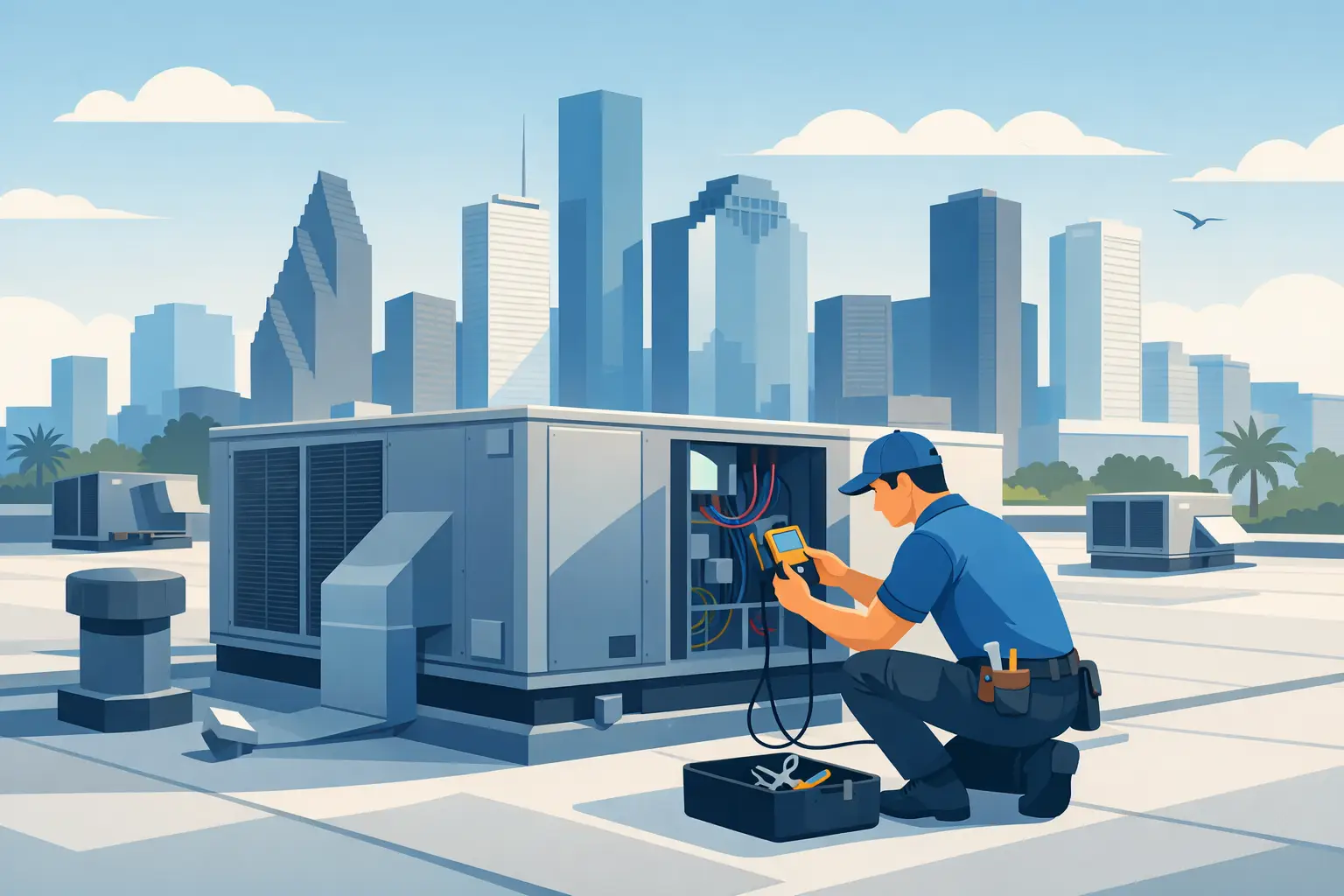
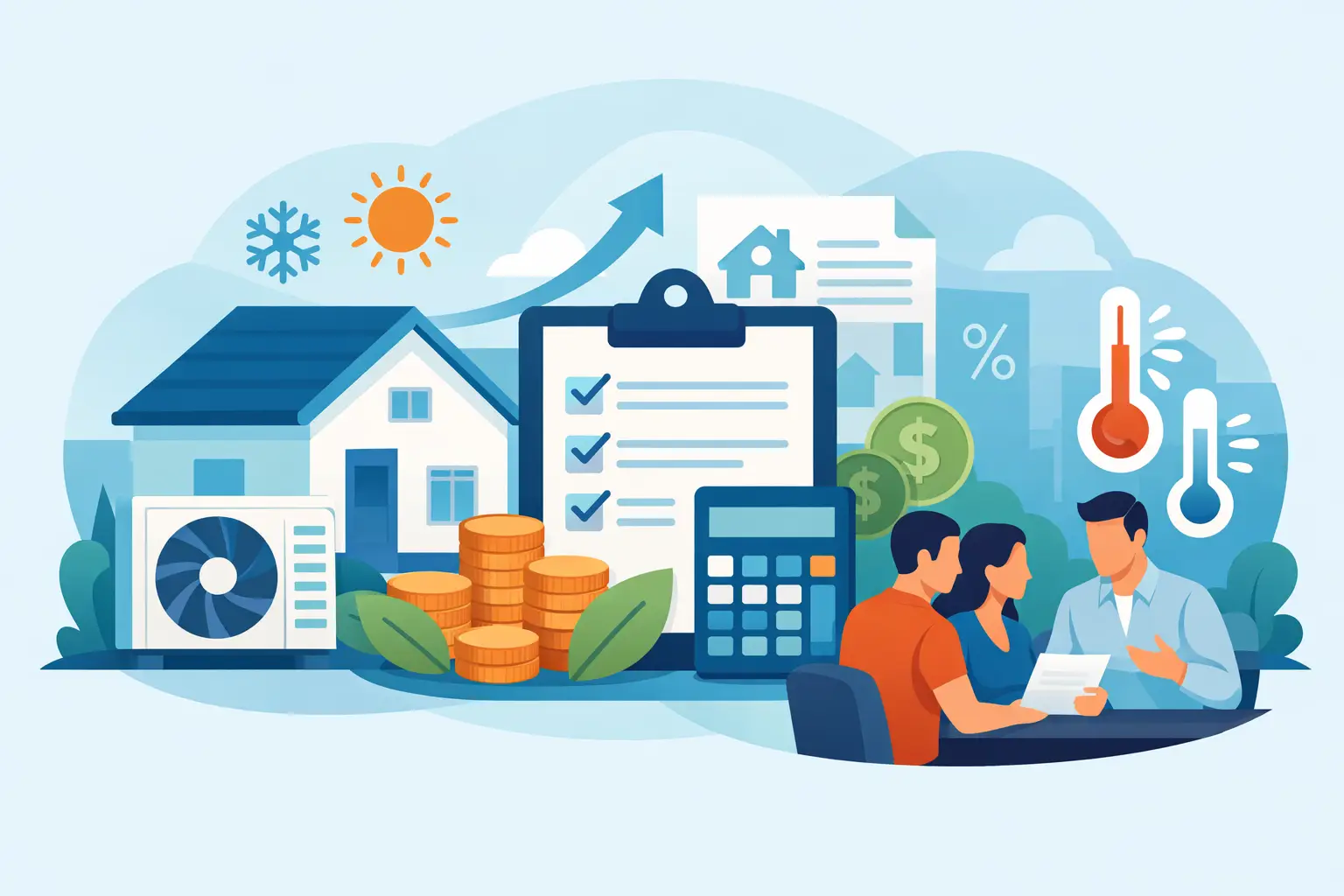
A failing AC unit in Houston rarely picks a convenient time. It usually happens during the first real stretch of triple-digit heat, right when the house won’t cool down and the estimate for repair or replacement lands harder than expected. That is exactly where financing becomes practical - not as a sales add-on, but as a way to restore comfort without draining savings all at once.
For many homeowners and property managers, the real question is not whether an HVAC system is necessary. In this climate, it is. The question is which payment approach fits the situation, the property, and the budget without creating more stress later.
Understanding HVAC financing options
HVAC financing options are payment arrangements that let you spread the cost of a repair, replacement, or upgrade over time instead of paying the full amount upfront. Depending on the provider and the project, financing may apply to a full system installation, a new furnace, ductwork improvements, efficiency upgrades, or other major work tied to heating and cooling performance.
That flexibility matters because HVAC costs are not always small or predictable. A minor repair may be manageable out of pocket. A compressor failure on an aging system, a complete AC replacement, or a rooftop unit for a small business is a different decision entirely.
Financing can make larger projects more approachable, but it is not automatically the right move in every case. If the balance can be paid quickly and the financing terms are expensive, cash may be the better option. On the other hand, if delaying the work means higher utility bills, repeated repairs, or business downtime, financing may protect you from a more expensive chain of problems.
Common hvac financing options for homes and businesses
The best financing structure depends on the job size, your timeline, and how long you expect to keep the property. Most customers are comparing a few familiar paths.
Contractor financing
Many HVAC companies offer financing through third-party lending partners. This is often the most direct route because the financing is presented alongside the service estimate. It can also speed up approval when you need urgent replacement during an emergency.
The upside is convenience and a process that is tied closely to the actual work being performed. The trade-off is that terms vary widely. Some plans offer promotional periods or fixed monthly payments, while others may carry higher rates depending on credit profile and loan structure.
Personal loans
A personal loan from a bank, credit union, or lender can be useful if you want to separate the financing decision from the contractor relationship. This can give you more control over where you borrow and may offer predictable repayment terms.
That said, approval timing may be slower than contractor-arranged financing, which matters when your cooling system is already down. For emergency service, speed often matters almost as much as rate.
Credit cards
For smaller repairs or moderate HVAC work, some customers use a credit card, especially if they can repay the balance quickly. A promotional APR can be helpful in the short term.
This approach gets risky when the balance lingers. Credit card interest can become far more expensive than a structured financing plan, particularly on a major replacement.
Home equity-based borrowing
For larger home improvement projects, some homeowners consider home equity financing. This can make sense when the HVAC project is part of a broader upgrade plan and the borrower wants longer repayment terms.
Still, this is usually not the first choice for urgent equipment failure. It may take longer to arrange, and many customers do not want to tie an emergency comfort issue to a more involved borrowing process.
What to compare before you say yes
The monthly payment gets the most attention, but it should not be the only number driving the decision. A lower monthly payment can still cost more over time if the repayment period is longer or the interest rate is high.
Look closely at the annual percentage rate, the repayment term, total amount paid over the life of the financing, and whether there are prepayment penalties. Ask whether the plan includes deferred interest or true promotional financing. Those two are not the same thing. Deferred interest can become costly if the balance is not paid within the specified period.
It also helps to ask what work is included in the financed amount. In HVAC, the equipment is only part of the project. Labor, controls, permits, duct modifications, disposal of old equipment, and warranty-related details all affect the true cost. A cheaper estimate with less included is not always the better deal.
When financing is the smart move
There are situations where financing is more than reasonable - it is the practical choice.
The first is emergency replacement. If an air conditioner fails in peak Houston heat and repair no longer makes financial sense, delaying replacement can put comfort, safety, and even productivity at risk. For households with children, older adults, or medical needs, waiting is often not realistic.
The second is when the existing system is driving high operating costs. An inefficient system can keep utility bills elevated month after month. Financing a higher-efficiency replacement may reduce those ongoing costs enough to improve the overall budget picture, even if there is a new monthly payment involved.
The third is commercial continuity. For a small business, HVAC downtime can affect staff, customers, inventory, and daily operations. In that setting, financing can help protect cash flow while getting the system restored quickly.
When you should slow down and ask more questions
Not every financing offer is a good one. If the terms are vague, the approval process feels rushed, or the contractor is pushing financing harder than the actual equipment discussion, take a step back.
You should also be cautious if a replacement is being recommended without a clear explanation of why repair is no longer viable. Financing should support a sound HVAC decision, not cover up a weak one. A trustworthy provider will explain system condition, repair history, expected lifespan, efficiency concerns, and what makes replacement the more sensible long-term option.
For older properties, ask whether the estimate addresses related issues such as duct leakage, sizing, airflow, and thermostat compatibility. Financing a new unit without correcting the underlying system problems can leave you paying for an upgrade that never performs the way it should.
Choosing financing based on the job itself
Smaller repairs usually call for a different mindset than full replacements. If the issue is a straightforward component repair and the system is otherwise in solid condition, short-term payment flexibility may be enough. You do not need a long repayment horizon for a problem that is limited and well-defined.
A full system installation is different. In that case, financing should be evaluated like a long-term property decision. Equipment efficiency, warranty coverage, installation quality, expected utility savings, and future maintenance all matter. The best plan is not simply the one that gets approved. It is the one that fits the lifespan and value of the equipment being installed.
Why local guidance matters in Houston
Houston-area HVAC decisions are shaped by heat, humidity, and heavy system use. That changes the financing conversation because equipment here often works harder and runs longer than it would in milder climates. A cheap short-term fix can become expensive fast when the system is already near the end of its service life.
That is why customers often benefit from working with a contractor who can look beyond the financing application and evaluate the full comfort picture - immediate repair needs, long-term operating cost, energy efficiency, and how quickly service can be restored. At Elisee HVAC and Home Services Houston, that practical approach matters because customers are not just buying equipment. They are trying to keep homes livable and businesses running.
Questions worth asking before you commit
Before approving any financing plan, ask a few direct questions. What is the total project cost? What happens if you pay it off early? Is the rate fixed? Are there promotional terms that expire? What warranties apply to the equipment and labor? And if this is a replacement, why is replacement the best decision now instead of six months from now?
A good provider will answer those questions clearly and without pressure. That is usually the best sign that the financing and the HVAC recommendation are both being handled the right way.
Comfort problems are stressful enough on their own. The right financing plan should reduce that stress, not rearrange it into a different monthly problem. When the numbers are clear and the work itself is justified, financing can be a practical way to get reliable heating and cooling back where it belongs - working when you need it most.