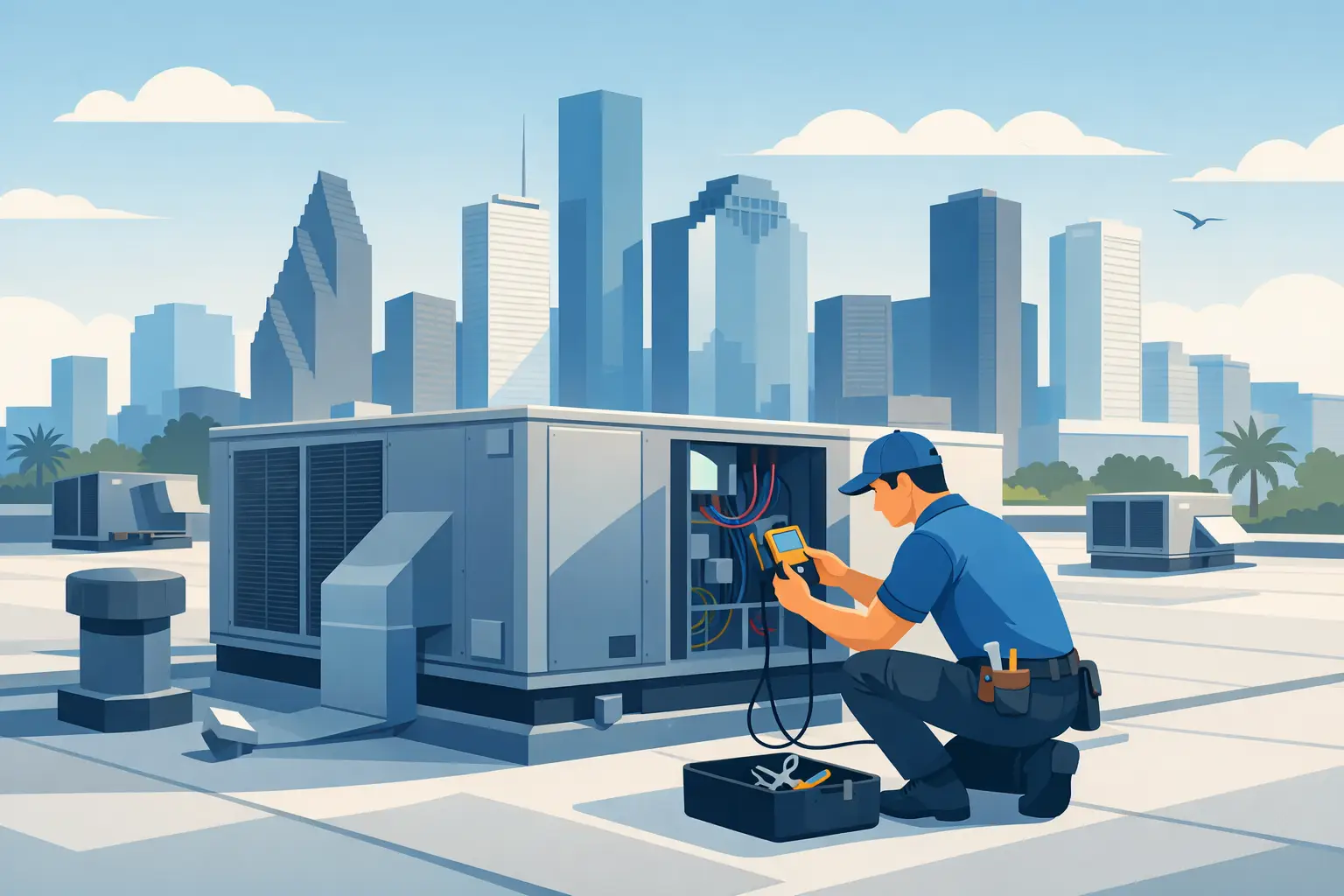

A working AC in Houston is not a luxury purchase you can put off for six months. When a system fails in the middle of a long heat wave, most homeowners are forced to make a decision fast: repair the unit, replace it, or keep spending money on a system that is already on its way out. That is where financing becomes less about convenience and more about keeping your home livable without wrecking your monthly budget.
For many families, the real question is not whether they need HVAC work. It is which HVAC financing options for homeowners make sense for their situation. The right answer depends on the age of the system, the urgency of the problem, your credit profile, and how long you plan to stay in the home.
Why HVAC financing matters in Houston
In a milder climate, some homeowners can wait out a failing system for a season. In the Houston area, that is rarely realistic. Extended heat, high humidity, and long cooling seasons put more stress on equipment and make breakdowns more disruptive. If your AC quits in July, financing can be the difference between restoring comfort quickly and delaying a needed fix.
Financing also matters because HVAC decisions are rarely just about the upfront price. A cheaper short-term repair can sometimes lead to more service calls, higher utility bills, and another replacement decision not long after. A larger investment in a high-efficiency system may cost more today but reduce operating costs over time. Good financing gives homeowners room to choose based on total value, not just what they can pay this week.
Common HVAC financing options for homeowners
Most homeowners end up choosing between a few core paths: contractor financing, personal loans, credit cards, home equity borrowing, or paying in cash. Each option can work, but each comes with trade-offs.
Contractor financing
Contractor financing is often the most direct option because it is built around the HVAC purchase itself. Many HVAC companies offer payment plans through third-party lending partners. This can be a practical fit when you need fast approval and a simple process tied to installation or major repair work.
The biggest advantage is speed. When your system is down, you do not want a drawn-out approval process. Contractor financing often lets you review terms quickly and move forward without juggling multiple vendors or lenders.
The trade-off is that terms vary widely. Some plans offer promotional periods with low or deferred interest, while others carry higher rates after the introductory window ends. Homeowners should look closely at monthly payment amounts, repayment length, and what happens if the promotional period expires before the balance is paid.
Personal loans
A personal loan from a bank, credit union, or financing partner can give homeowners more flexibility because the funds are not always limited to the HVAC equipment alone. That can help if your project includes ductwork, thermostat upgrades, insulation improvements, or electrical work tied to the install.
Personal loans usually come with fixed payments and a defined payoff timeline, which makes budgeting easier. For homeowners who value predictable costs, that structure can be a strong advantage.
The downside is that interest rates depend heavily on credit. Borrowers with strong credit may get competitive terms, while others may see rates high enough to make the total project cost less appealing.
Credit cards
Credit cards tend to work best for smaller repairs, not full system replacements. If you need a capacitor replaced, a blower motor repaired, or a service bill covered before your next paycheck, a card may be enough.
They become riskier for bigger projects. Unless you have a low-interest or promotional card and a clear plan to pay it off quickly, credit card balances can get expensive fast. A temporary comfort fix should not turn into long-term high-interest debt.
Home equity loans or HELOCs
If you have built up equity in your home, a home equity loan or line of credit can offer lower rates than unsecured borrowing. For a major HVAC replacement, especially one bundled with home efficiency upgrades, this can be cost-effective.
Still, this option is not ideal for every situation. Approval can take longer, and the loan is tied to your home. That may be acceptable for a planned upgrade, but less practical for an emergency replacement when time matters most.
Paying in cash
Cash is the simplest option if you have reserves available. It avoids interest charges and keeps the total project cost lower.
But even when cash is available, paying the full amount upfront is not always the smartest move. Draining emergency savings to replace an AC system can leave a household exposed to the next unexpected expense, whether that is a plumbing issue, roof leak, or vehicle repair. Financing can sometimes preserve flexibility, which matters just as much as avoiding interest.
How to choose the right financing option
The best financing choice starts with the job itself. A modest repair on a relatively young system is different from replacing a 15-year-old unit that struggles every summer.
If the equipment still has useful life left and the repair is straightforward, a short-term payment solution may be enough. If the system is older, inefficient, and already requiring repeated service, it often makes more sense to finance replacement rather than keep paying for temporary fixes.
Monthly payment is only part of the picture. Homeowners should also compare the total repayment amount, any fees, and whether the financed upgrade lowers energy bills enough to offset some of the cost. In Houston, where cooling demand is high for much of the year, efficiency gains can be meaningful.
Your timeline matters too. If you are planning to stay in the home for years, investing in a better system with stronger performance and lower operating costs may be easier to justify. If you expect to move soon, you may lean toward the option that solves the immediate problem without overextending.
What homeowners should ask before agreeing to financing
Financing should make an HVAC decision easier, not more confusing. Before signing anything, ask a few direct questions and expect clear answers.
First, ask whether the rate is fixed or promotional. A low introductory offer can be helpful, but you need to know when regular interest starts and what that rate will be.
Second, ask about the full cost over the life of the loan. A lower monthly payment can look attractive until you see how much longer the term is and how much extra interest it adds.
Third, ask whether there are prepayment penalties. If you want the option to pay off the balance early after a bonus, tax refund, or seasonal income increase, that should not create extra cost.
Finally, ask whether the financed scope includes everything required for proper system performance. A low number is not a good deal if it leaves out needed duct repairs, drain line work, or system adjustments that affect comfort and efficiency.
When financing a replacement makes more sense than another repair
This is one of the most common homeowner decisions, and there is no one-size-fits-all answer. Sometimes a repair is absolutely the right move. Sometimes it is just delaying a replacement that is already overdue.
If your system is older, uses outdated refrigerant, breaks down repeatedly, or struggles to keep temperatures consistent, financing a replacement can be more practical than spending more money on a unit with declining reliability. That is especially true if the current system is driving up utility bills or leaving parts of the house uncomfortable.
On the other hand, if the equipment is relatively new and the issue is isolated, financing a major replacement may be more than you need. A reputable contractor should walk you through both scenarios clearly, including the likely near-term repair outlook.
That kind of honest guidance matters. Homeowners need a provider who can explain whether financing should support a repair, a full replacement, or an efficiency-focused upgrade. At Elisee HVAC and Home Services Houston, that conversation starts with the actual condition of the system and what will best protect comfort, performance, and cost control.
Financing should support the right HVAC decision
The point of financing is not just to make a big number feel smaller. It is to help you make a sound decision under real-world conditions, especially when your cooling or heating cannot wait. The best option is the one that fits your home, your budget, and the actual state of your equipment.
If you are weighing repair against replacement, slow down long enough to compare total cost, not just today’s invoice. A clear financing plan can give you the room to choose the fix that keeps your home comfortable now and easier to manage later.