
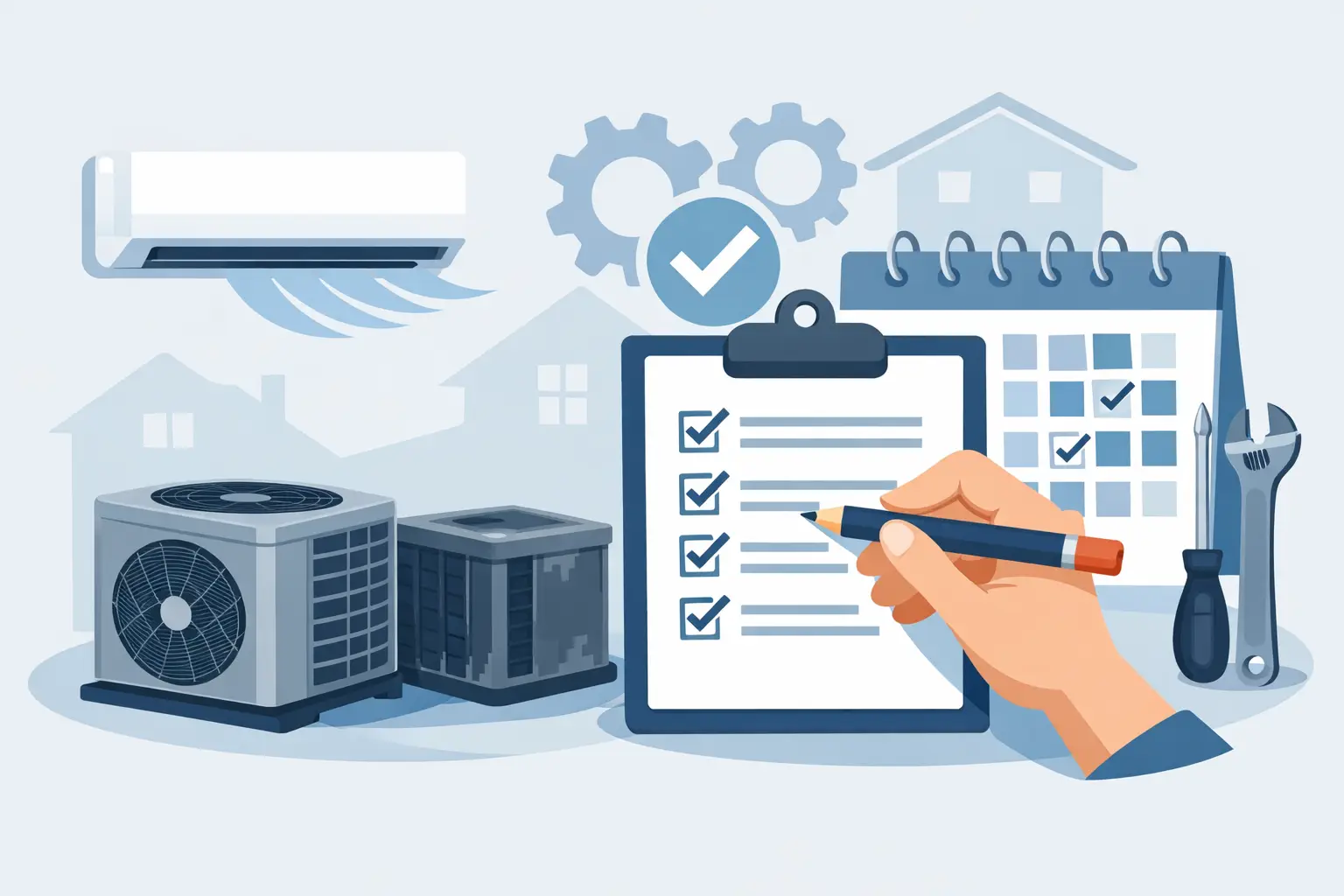
If your AC is limping through another Houston summer, replacement planning should start before the next breakdown, not after it. Waiting until the system quits on a 98-degree afternoon usually means rushed decisions, limited equipment availability, and higher stress for everyone in the house.
A good replacement plan gives you time to compare options, understand real costs, and install a system that fits your home instead of settling for whatever can be put in fastest. In a market like Houston, where cooling is not optional for much of the year, that kind of planning can protect both comfort and budget.
A home HVAC replacement planning guide starts with timing
Most homeowners ask the same question first: should we replace now or keep repairing the current unit? The answer depends on age, repair history, efficiency, and how reliably the system is cooling your home.
If your system is over 10 to 15 years old, needs frequent repairs, struggles to keep up in peak heat, or causes utility bills to climb, replacement deserves a serious look. One repair does not automatically mean the whole system is done. But repeated service calls, uneven temperatures, loud operation, and weak airflow usually point to a system that is costing more to keep alive than it is worth.
Timing matters because emergency replacement is rarely the most cost-effective path. When planning happens early, you can review financing, talk through efficiency options, and schedule installation around your needs instead of reacting to a failure. For Houston-area homes, spring and early fall are often the easiest times to plan because demand is not as compressed as it is during extreme summer heat.
Know what you are replacing
Not every replacement is the same. Some homes need a full system changeout. Others may need the indoor and outdoor components replaced together, updated ductwork, or airflow corrections that should happen at the same time.
This is where homeowners can get tripped up. It is easy to focus only on the condenser outside because that is the part people see. But HVAC performance depends on the whole system working together - equipment, thermostat, ductwork, insulation, filtration, drainage, and airflow. Replacing one major component without addressing a serious duct leak or sizing issue can leave you with a new system that still does not feel right.
A careful evaluation should look at the age and condition of the furnace or air handler, the evaporator coil, refrigerant type, return and supply airflow, duct condition, humidity performance, and whether hot and cold spots are a house problem or an equipment problem. If your current system was oversized or undersized from the start, replacement is the time to correct it.
How to choose the right size and setup
Bigger is not always better in HVAC. In fact, oversized systems are a common source of short cycling, poor humidity control, and uneven comfort. That matters in Houston, where moisture control is almost as important as temperature.
The right system size should be based on your home, not a quick guess from the size of the old unit. Square footage matters, but so do ceiling height, insulation levels, window exposure, duct layout, air leakage, and how the home handles afternoon sun. If an older unit never cooled evenly, replacing it with the exact same size without reviewing those factors can repeat the same problem.
You also have choices in system type. A traditional central air system works well for many homes, but some properties benefit from variable-speed equipment, heat pumps, zoning, or ductless options in specific areas. The best fit depends on layout, comfort goals, and budget. Higher-efficiency equipment can reduce operating costs, but the payback varies depending on usage patterns and the condition of the rest of the system.
That is why good planning includes trade-offs. A premium system may deliver quieter performance, more stable temperatures, and better humidity control, but it comes at a higher upfront cost. A more basic replacement may still be the smart move if your priority is dependable cooling and a controlled budget.
Budgeting beyond the equipment price
A replacement quote is not just about the box being installed. Total cost can include labor, removal of old equipment, thermostat upgrades, drain modifications, pad or platform work, duct adjustments, code-related updates, and any electrical or ventilation corrections needed to support the installation.
Homeowners are often surprised when two quotes differ significantly. Sometimes that is about equipment brand or efficiency rating. Other times, the real difference is scope. One proposal may include important system corrections while another simply swaps equipment and leaves existing issues in place.
A smart home HVAC replacement planning guide should include room in the budget for the things that affect performance long after install day. If your ducts leak badly, your return air is restricted, or your thermostat is outdated, those items should be part of the discussion. Ignoring them may lower the initial price, but it can reduce comfort and efficiency right away.
Financing can also play a practical role. Many homeowners prefer to spread out the cost so they can choose a better long-term solution instead of the cheapest immediate option. That can be especially helpful when replacement is needed during high-demand weather and the system is no longer dependable.
Questions to ask before you approve a replacement
Before signing anything, make sure the contractor has explained what is being replaced, why it is being recommended, and what results you should realistically expect afterward. A solid proposal should feel clear, not vague.
Ask whether the equipment is being sized specifically for your home. Ask if the duct system has been inspected. Ask whether humidity control, airflow, and thermostat compatibility have been reviewed. If parts of the home are consistently uncomfortable, bring that up before installation, not after.
It also helps to ask what is included in startup, testing, and post-install verification. Proper installation is not only about setting equipment in place. Refrigerant charge, airflow setup, drainage checks, control setup, and performance testing all matter. The equipment can be excellent on paper and still underperform if installation details are skipped.
For homeowners who want predictable ownership costs, maintenance should be part of the conversation as well. A new system still needs seasonal service to protect efficiency, reduce wear, and catch issues before they become breakdowns.
Planning for efficiency without overbuying
Efficiency matters, but not every home needs the highest-rated system available. The right target depends on how long you plan to stay in the property, how much you use the system, and whether your home can support the benefits of higher-end equipment.
For example, if ducts are leaking in a hot attic, installing a very efficient unit without fixing airflow losses may not deliver the savings you expect. On the other hand, if your home is well sealed and your current bills are consistently high, stepping up in efficiency may make more sense.
Comfort goals matter too. Some homeowners mainly want lower bills. Others are trying to solve humidity, noise, or uneven temperature issues. Variable-speed systems can help with those concerns, but they are not the right answer for every budget. Planning works best when the recommendation matches your actual priorities.
Why local conditions should shape the decision
Houston homes put a lot of demand on cooling systems. Long run times, high humidity, and sudden peak heat can expose weaknesses fast. That is one reason replacement planning here should not rely on generic advice.
A system that works well in a milder climate may not deliver the same comfort in Southeast Texas. Drainage setup, humidity control, attic conditions, duct insulation, and emergency service availability all matter more when your AC has to perform hard for long stretches.
Working with a local team that understands those conditions can make the process more practical. Elisee HVAC and Home Services Houston helps homeowners think through repair-versus-replace decisions, system fit, financing, and installation planning with the urgency Houston weather demands.
What a smooth replacement process looks like
The best replacement projects feel organized from the first conversation. You get a clear evaluation, a straightforward explanation of options, transparent pricing, and a timeline that makes sense. You know what is happening in your home, what the crew is installing, and what support looks like after the job is done.
That kind of process matters because HVAC replacement is not only a purchase. It is a comfort decision that affects daily life for years. When planning is done well, you are not guessing whether the house will cool properly, whether bills will spike, or whether another major issue is waiting right behind the install.
If your current system is aging, unreliable, or struggling in Houston heat, start planning before it forces the issue. A little preparation now can save you from a rushed decision later, and make the next hot day feel a lot more manageable.