The first cold snap in Houston has a way of exposing problems fast. A heater that sat idle for months suddenly smells strange, cycles too often, or fails right when your home or business needs steady warmth. Most heating safety issues do not start as dramatic emergencies. They start small, with overdue maintenance, blocked airflow, worn parts, or a system that has been pushed past what it can safely handle.
This guide to heating system safety is built for Houston-area homeowners, landlords, and business owners who want reliable heat without taking chances on equipment condition. Good heating safety is not just about avoiding breakdowns. It is about protecting indoor air quality, reducing fire and carbon monoxide risks, and keeping your system operating the way it was designed to.
Why heating system safety matters more than most people think
In a region known for heat, it is easy to treat the heating side of HVAC as an afterthought. That can be a mistake. Furnaces, heat pumps, ductwork, thermostats, electrical components, burners, and venting all need to work together correctly. If one part is failing, the issue can affect comfort, energy use, and safety at the same time.
For homeowners, that might mean uneven heating, higher utility bills, or a system that shuts down on a cold night. For small businesses and commercial properties, the stakes can be higher. An unsafe or unreliable heating system can disrupt operations, create complaints from tenants or staff, and lead to expensive emergency service at the worst time.
The good news is that most serious heating hazards are preventable. Routine inspection, prompt repairs, and knowing what warning signs to take seriously go a long way.
The most common heating safety risks
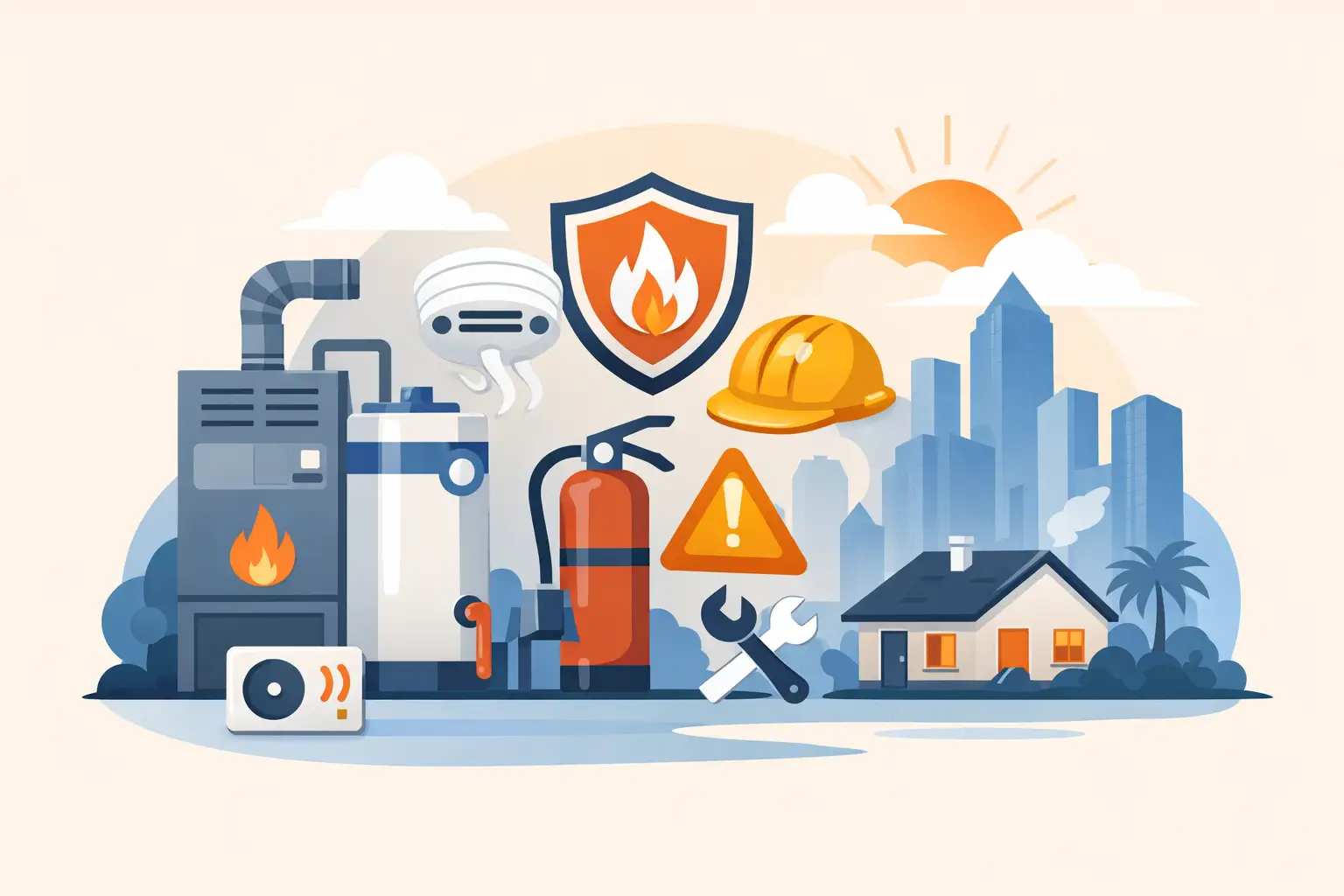
Some heating problems are obvious, while others are easy to miss until they become urgent. The biggest risks usually fall into a few categories.
Carbon monoxide exposure
If you have a gas furnace or any fuel-burning heating equipment, carbon monoxide is one of the most important concerns. A cracked heat exchanger, poor combustion, blocked venting, or a malfunctioning burner can allow carbon monoxide to build up indoors. Because it is colorless and odorless, you cannot rely on your senses to detect it.
This is why working carbon monoxide detectors matter. They are not optional backup devices. They are a core part of a safe heating setup.
Fire hazards
Heating systems can create fire risks when airflow is restricted, electrical components overheat, or combustible items are stored too close to equipment. Space heaters add another layer of risk, especially in garages, offices, bedrooms, and work areas where cords, fabrics, paper, or furniture may be nearby.
Sometimes the problem is not the heater itself but the environment around it. A safe system still needs safe clearance.
Electrical issues
Heat pumps, air handlers, blower motors, and thermostats all depend on electrical components. Loose connections, damaged wiring, failing capacitors, or short cycling can create overheating and equipment damage. In some cases, these issues also increase the risk of sparks or unexpected shutdowns.
Poor indoor air quality
A dirty filter, neglected ductwork, or combustion issue can affect the air moving through your building. That may show up as dust, stale air, unusual odors, headaches, or irritation that seems worse when the heat is running. Safety and air quality are closely connected, especially in tightly closed indoor spaces during colder weather.
Warning signs you should not ignore
A heating system rarely goes from healthy to unsafe without leaving clues. The key is acting before a minor issue turns into a bigger repair.
If you smell gas, leave the building and contact the gas utility and emergency services right away. Do not try to restart the system or investigate the source on your own.
Beyond that kind of immediate emergency, watch for a burning smell that does not fade after startup, frequent breaker trips, yellow burner flames instead of blue, rattling or banging noises, weak airflow, inconsistent room temperatures, or a heater that turns on and off too quickly. Soot marks, excess moisture around the unit, or a sudden spike in utility bills can also point to a problem.
It depends on the system type, but one rule holds across the board: if your heater is behaving differently than it did last season, do not assume it is normal.
A practical guide to heating system safety at home or work
The safest heating systems are usually the ones that get regular attention before winter demand arrives. You do not need to do technician-level work yourself, but you should know the basics.
Keep filters clean and airflow open
A clogged air filter can strain the blower, reduce efficiency, and contribute to overheating. Check the filter on schedule and replace it as needed based on system type, filter rating, pets, dust load, and runtime. There is no one-size-fits-all interval. Some properties need more frequent changes than others.
Make sure supply and return vents are not blocked by furniture, boxes, rugs, or shelving. Closed or obstructed vents can throw off system performance and increase wear.
Give the equipment room to operate safely
Keep stored items away from furnaces, air handlers, and any heating equipment. Paint, cardboard, paper goods, cleaning products, and fabrics should not be crowded around the unit. This matters in homes, retail back rooms, offices, and utility closets alike.
If you use portable heaters, place them on a stable surface and keep them well clear of curtains, bedding, furniture, and foot traffic. Plug them directly into a wall outlet, not an extension cord.
Test detectors and thermostat function
Check smoke alarms and carbon monoxide detectors regularly. Replace batteries as needed and replace units when they reach the end of their service life.
Also confirm that your thermostat is reading accurately and responding correctly. A thermostat problem can look like a heating problem, and incorrect cycling can place extra stress on the system.
Pay attention to venting and drainage
For gas systems, vent pipes need to remain intact and unobstructed. For high-efficiency systems, condensate drainage should also be flowing properly. If venting is damaged or blocked, combustion gases may not exit the building the way they should.
This is not an area for guesswork. If you see corrosion, disconnection, or moisture issues near venting components, schedule service.
What professional heating maintenance should cover
A professional heating inspection is where safety moves from basic awareness to real prevention. A proper visit should go beyond turning the system on and confirming that warm air comes out.
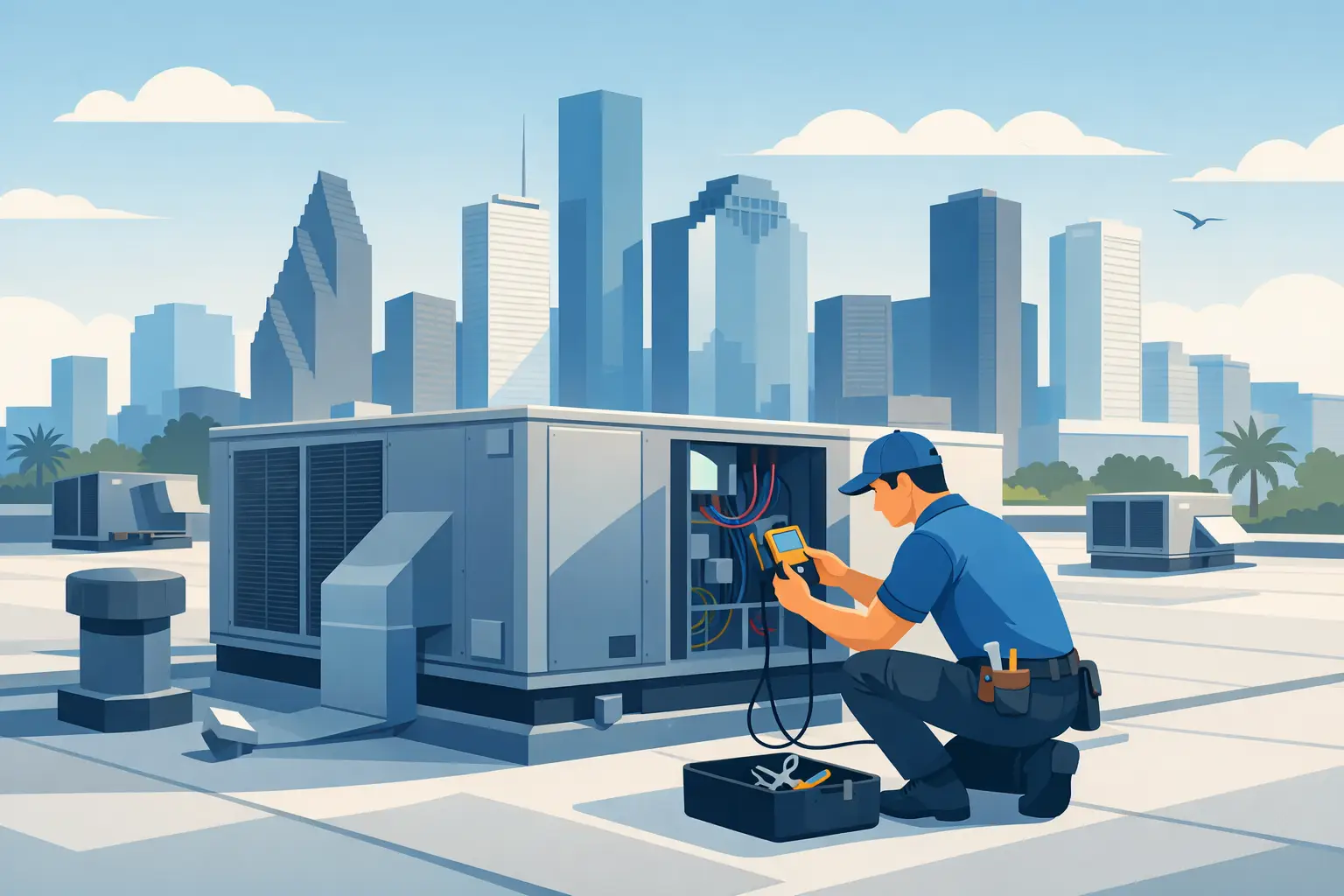
A trained HVAC technician should inspect burners, flame characteristics, electrical connections, safety controls, blower components, filters, thermostat operation, heat exchanger condition where visible, and overall airflow. On applicable systems, testing for combustion performance and checking venting are also important.
For heat pumps, maintenance should include checking refrigerant-related performance, electrical health, defrost operation, and airflow through both indoor and outdoor components. Even though heat pumps do not burn fuel, they still have safety and reliability concerns tied to electrical systems and mechanical wear.
The trade-off is simple. Preventive service costs less than emergency repair in most cases, but it also depends on the age and condition of the equipment. An older system may still benefit from maintenance while also showing signs that replacement is the more predictable long-term decision.
Repair or replace? Safety should be part of that decision
Not every heating issue means you need a new system. Many problems can be repaired safely and cost-effectively. But if your unit is older, breaking down repeatedly, running inefficiently, or showing signs of serious component failure, replacement may be the smarter move.
This is especially true if there are concerns about a cracked heat exchanger, repeated ignition failures, chronic electrical issues, or poor performance that persists even after repairs. In those cases, continuing to patch the system may keep you in a cycle of downtime and rising costs.
For Houston property owners, the best answer often comes from looking at the whole HVAC picture. If your heating and cooling equipment are both aging, a coordinated replacement plan may improve comfort, safety, and utility performance across all seasons.
When to call for service right away
Some heating problems can wait a day or two for a scheduled visit. Others should be handled immediately.
Call for prompt HVAC service if your system will not start, shuts down unexpectedly, trips the breaker, produces unusual burning odors, makes loud mechanical noise, or cannot maintain a safe indoor temperature. You should also call if your carbon monoxide detector alerts, if you notice signs of gas combustion problems, or if airflow drops sharply without an obvious filter issue.
For businesses, quick action matters even more. Waiting through a heating issue can affect employees, customers, inventory conditions, and operations. Responsive service helps limit disruption and keeps a small problem from turning into a bigger one.
When local support matters, working with a team that handles repairs, maintenance, installations, and urgent calls under one roof makes the process easier. If you need dependable help in the Houston area, Elisee HVAC and Home Services Houston can assess the issue, explain the next step clearly, and restore safe operation without unnecessary delays. More information is available at https://Eliseehomeserviceshouston.com.
A safer system starts with attention, not guesswork
Heating safety is rarely about one big fix. It is usually the result of steady habits, early action, and professional support when something looks off. If your system has been noisy, inconsistent, overdue for service, or simply ignored since last winter, this is a good time to address it before comfort turns into an emergency.