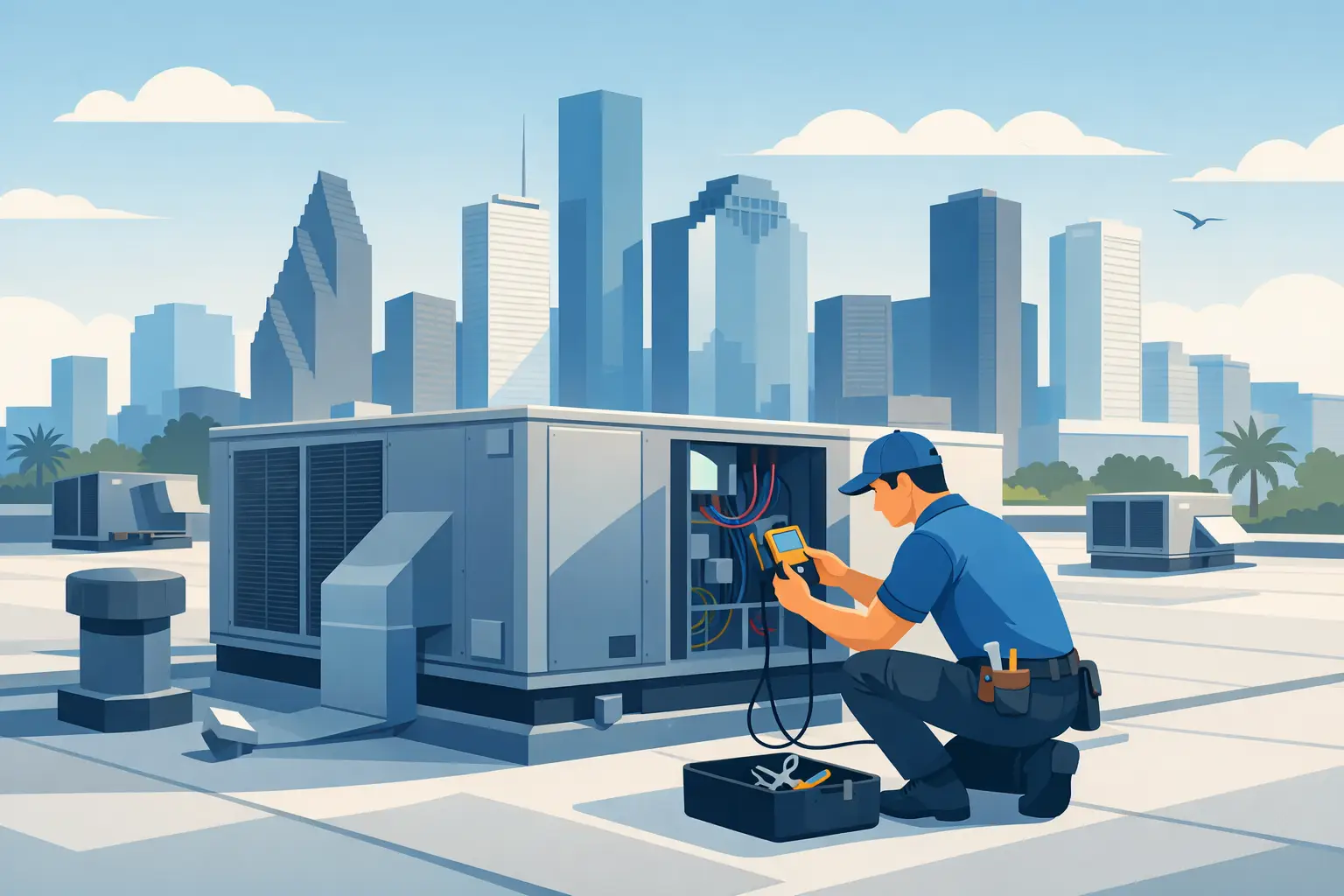
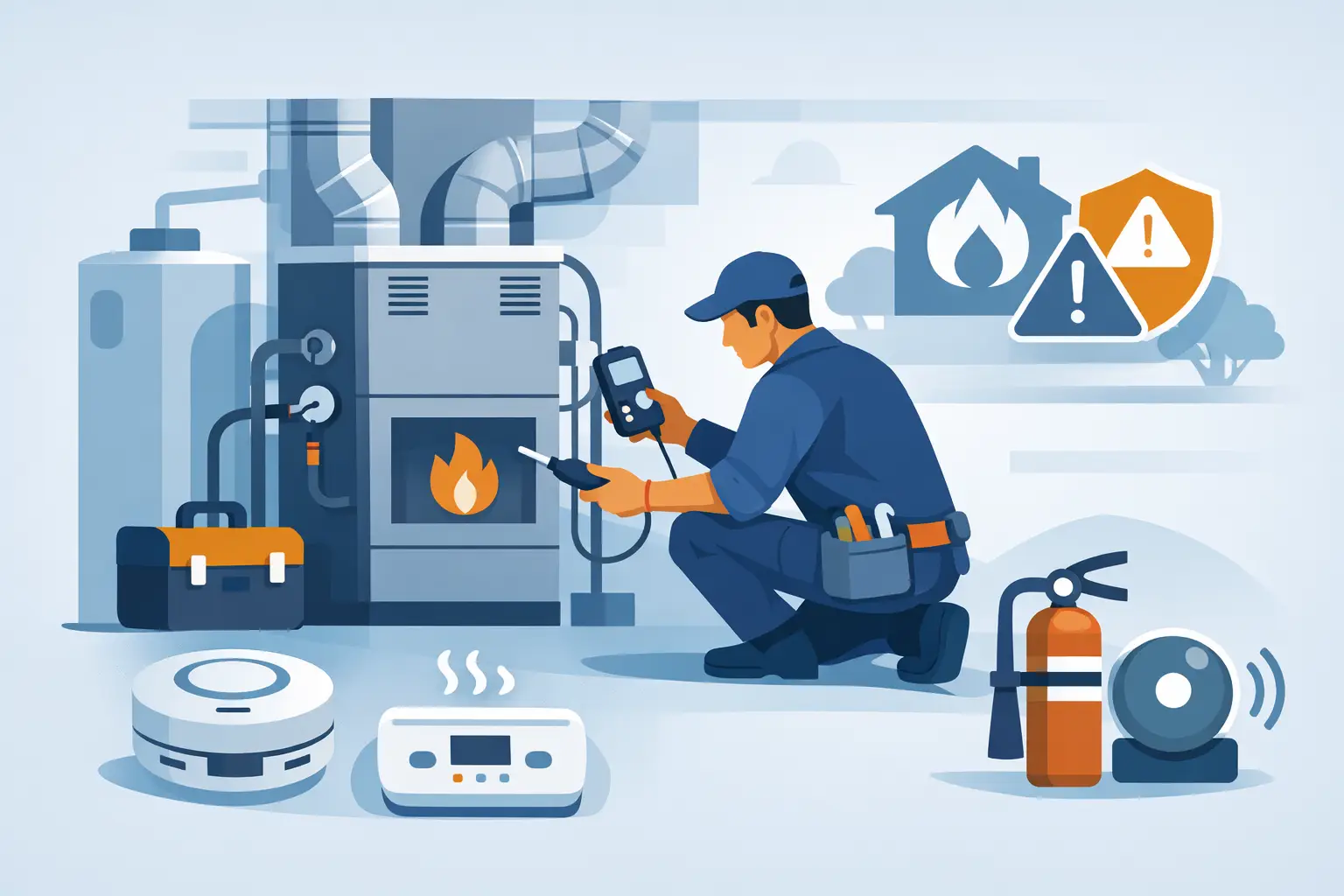
A furnace that "still turns on" is not the same as a furnace that is safe to run. That distinction matters most on the first cold stretch of the season, when a neglected system can bring more than weak heat - it can bring gas leak concerns, airflow problems, electrical faults, or carbon monoxide risk. For Houston-area homes and businesses, furnace safety checks are less about overreacting to winter and more about making sure your heating system starts clean, runs correctly, and shuts down when it should.
Why furnace safety checks matter more than people think
In Southeast Texas, heating equipment often goes months without much use. That sounds like a good thing, but long idle periods can hide issues. Dust settles into burners, critters find ways into vent areas, drain lines clog, wiring connections loosen, and small cracks or wear points go unnoticed until the system fires up again.
For homeowners, that can mean uneven heat, higher utility bills, or safety hazards that are easy to miss without testing. For small businesses, it can mean tenant complaints, interrupted operations, and repair calls at the worst possible moment. A heating system does not have to be old to become unsafe. It just has to be uninspected.
A proper safety check is also not the same as a quick look at the thermostat. The goal is to confirm that combustion, ventilation, controls, and airflow are all working together correctly. If one part is off, the rest of the system can suffer.
What a professional furnace safety check should include
A thorough inspection should start with the basics and move into system testing. That usually includes examining the burner assembly, ignition components, heat exchanger condition, gas connections, electrical wiring, safety switches, blower operation, filter condition, and venting path.
For gas furnaces, combustion safety is a major focus. A technician should look for signs of incomplete combustion, burner flame irregularities, corrosion, soot, and any indication that exhaust gases are not leaving the system as intended. Carbon monoxide concerns are taken seriously because the risk is not always obvious to the building occupant.
Airflow matters too. Restricted filters, dirty blower parts, and duct issues can cause overheating, short cycling, or poor temperature control. In some cases, what looks like a furnace problem starts with the air side of the system rather than the heating components themselves.
The control side deserves equal attention. Limit switches, rollout switches, flame sensors, and thermostat communication all affect whether the system can operate safely. If any of those parts fail or drift out of spec, the furnace may shut down unexpectedly or continue operating under conditions it should not.
Common warning signs between furnace safety checks
Some safety issues develop gradually, and the system gives clues before it fails. A furnace that smells like gas, trips breakers, cycles on and off too often, or produces unusually weak airflow should not be ignored. The same goes for rattling, booming on startup, delayed ignition, or burning odors that do not fade quickly.
A yellow burner flame instead of a steady blue flame can point to combustion trouble. Soot around the unit or venting components may suggest that the furnace is not burning fuel cleanly. If occupants report headaches, dizziness, or stale indoor air while the heater is running, that is reason to stop using the system until it is inspected.
Sometimes the signs are less dramatic. A sudden spike in winter energy bills, rooms that never get warm, or a furnace that seems to run longer than usual can all point to underlying inefficiency or unsafe strain. Waiting for a full breakdown usually makes the repair more disruptive and more expensive.
Safety checks for homes and small commercial properties are not identical
The basics are similar, but the way furnace safety checks are handled can differ depending on the property. In a home, the priority is usually family comfort, indoor air quality, and making sure the system can run safely through colder nights. In a commercial setting, there may be longer operating hours, larger zones, rooftop equipment, or occupancy requirements that raise the stakes.
Landlords and property managers also have a different risk profile. A heating issue is not just a comfort complaint - it can become a habitability issue, a lease problem, or an after-hours emergency. For retail spaces and offices, downtime affects staff and customer experience. That is why a preventive inspection schedule often makes more sense than a reactive approach.
It also depends on system type. A standard gas furnace, packaged unit, or dual-fuel system each has different service points. A good technician does not force every property into the same checklist. The inspection should match the equipment and how the building is actually used.
What property owners can check on their own
Not every furnace concern requires technical tools to spot. Property owners can do a few practical checks before calling for service. Make sure the area around the furnace is clear, especially of storage boxes, paint, or anything flammable. Check that supply and return vents are open and not blocked by furniture or inventory. Replace a dirty air filter if it is due.
You can also pay attention to startup behavior. If the furnace struggles to ignite, makes an unusual bang, or shuts off too soon, those are service issues. Look for visible rust, water around the unit, scorch marks, or vent pipe damage. If you smell gas, leave the area and follow gas safety procedures before requesting professional help.
That said, DIY checks have limits. Most safety components cannot be verified by sight alone. Gas pressure, combustion quality, electrical performance, and heat exchanger concerns need trained inspection and testing. The safe move is to treat homeowner checks as early detection, not a substitute for maintenance.
Why timing matters in Houston
Houston is not known for long, harsh winters, and that can create a false sense of security. Because heating season is shorter, many systems go untested until the first real cold snap. That is exactly when service demand rises and repair schedules tighten.
Scheduling furnace safety checks before colder weather arrives gives you more options. It is easier to handle a worn ignitor, cracked drain line, loose wire, or venting correction before the system becomes urgent. It also reduces the chance of discovering a serious issue on a night when indoor temperatures are dropping and every contractor is fielding emergency calls.
For businesses, early inspection helps with continuity. A restaurant, office, tenant suite, or retail location does not want comfort complaints during a weather swing. Preventive service protects operations and helps avoid rushed decisions about repair versus replacement.
When a safety check turns into a repair or replacement discussion
Not every failed inspection means you need a new furnace. In many cases, the right fix is straightforward: cleaning burners, replacing a flame sensor, correcting venting, tightening electrical connections, changing a worn inducer part, or restoring proper airflow. Small repairs completed early are usually the most cost-effective path.
But sometimes the inspection reveals a bigger issue. A compromised heat exchanger, repeated ignition failures, chronic overheating, or multiple aging components may point to a system that is no longer worth patching together. For older equipment, the decision is not just about repair cost. It is about reliability, operating safety, and whether the unit can realistically make it through another season.
This is where clear guidance matters. A trustworthy HVAC contractor should explain what was found, what is urgent, and what can reasonably wait. Property owners need practical recommendations, not pressure. If replacement is the smarter move, financing options and a clear installation timeline can make that decision easier to manage.
Choosing a team for furnace safety checks
When heating issues affect safety, responsiveness matters. You want a team that can inspect the full system, explain findings in plain language, and handle the next step whether that means maintenance, repair, or replacement. For Houston-area property owners, it also helps to work with a local company that understands how lightly used heating equipment can still create serious seasonal problems.
Elisee HVAC and Home Services Houston works with homeowners and businesses across the metro area on heating service, repairs, maintenance, and system upgrades. That kind of full-service support matters when a safety check uncovers something that needs attention right away.
If your furnace has been sitting idle since last winter, now is a good time to have it checked before you need to rely on it. Safe heat is not just about staying warm. It is about knowing the system protecting your comfort is not creating a bigger problem behind the scenes.