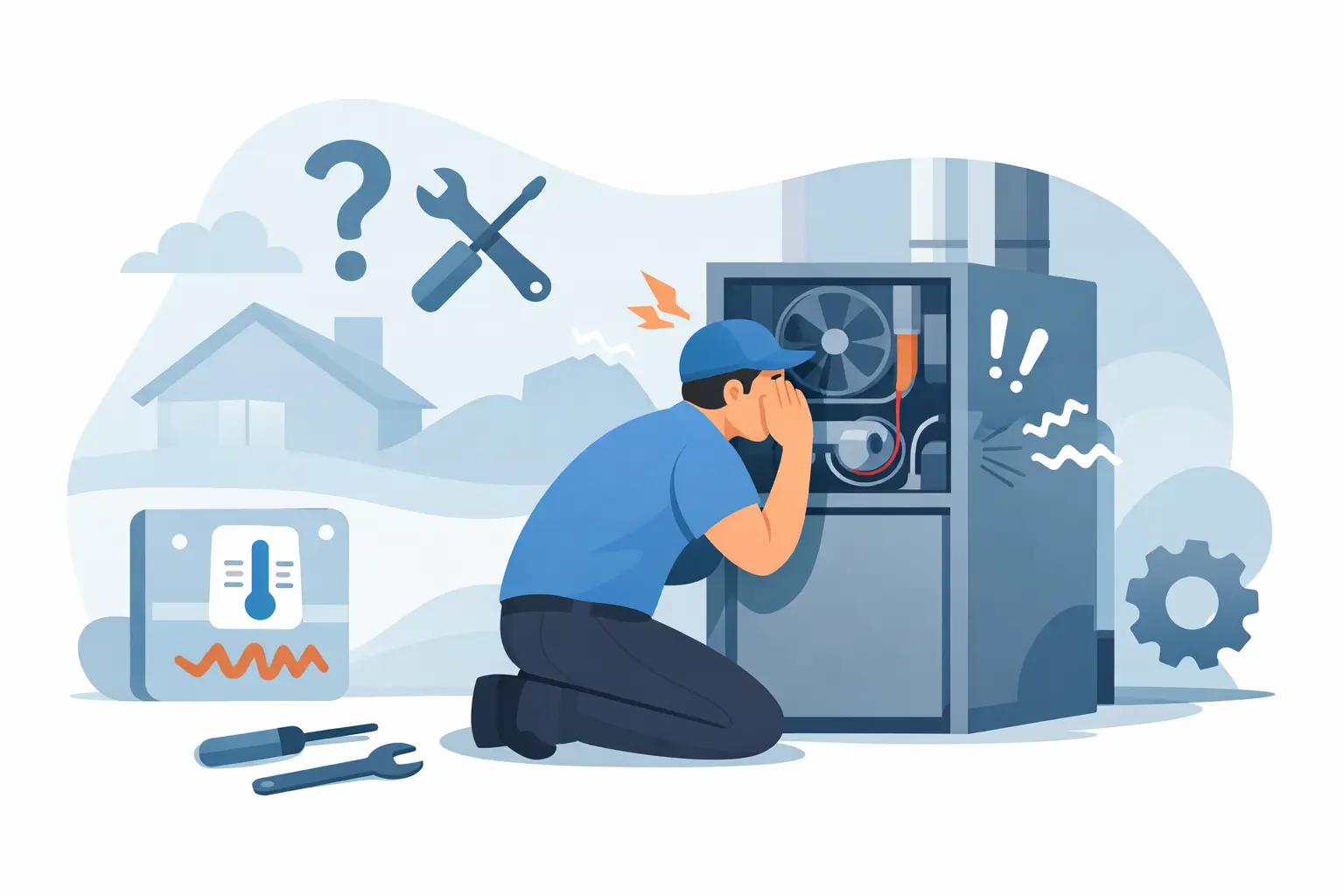
A rattling furnace tends to get your attention fast, especially on a cold morning when you need steady heat and not another house problem to solve. Sometimes the sound is minor - a loose panel or vent cover. Other times, it is your system warning you that a part is wearing out, airflow is restricted, or something inside the blower assembly needs professional attention.
If your furnace is making a rattling noise, the right next step depends on when the sound happens, how loud it is, and whether your heat is still working normally. For homeowners and business owners in the Houston area, quick action matters. Small furnace issues have a way of turning into no-heat calls at the worst time.
Why a furnace making rattling noise should not be ignored
Rattling is not the most dramatic furnace sound, but it is one of the easiest to underestimate. A bang or screech feels urgent. A rattle can seem harmless, so people often wait it out. That delay can be expensive.
In many cases, rattling starts with vibration. Furnaces naturally vibrate during startup and while the blower is running. If a screw loosens, a panel shifts, or debris gets into the system, that normal vibration turns into an ongoing noise. Left alone, the vibration can make the original problem worse. A slightly loose part can become a damaged one.
There is also a comfort issue. When the furnace is rattling, airflow and performance are not always where they should be. You may notice rooms heating unevenly, the system cycling more often, or utility costs creeping up. If the furnace is older, a new rattling sound can also be an early sign that replacement planning should start before you are dealing with an emergency.
Common reasons your furnace is making a rattling noise
The cause is not always serious, but it usually falls into a few common categories.
Loose access panels or cabinet screws
This is one of the simplest explanations. As the furnace starts and stops, vibration can loosen exterior screws or shift a panel slightly out of place. The result is a light metal-on-metal rattle, often most noticeable when the blower first turns on.
If the noise seems to come from the outside of the furnace cabinet, this is a reasonable place to start. A loose panel is fixable, but it still should be addressed because constant vibration can wear on surrounding components.
Dirty filter causing airflow problems
A clogged air filter does more than reduce efficiency. It can strain the blower and create unusual sounds throughout the system. Restricted airflow sometimes causes parts to vibrate harder than normal, which can sound like rattling near the furnace or in nearby ductwork.
This is one of those issues that seems small but affects overall system health. If the filter has not been changed recently, checking it is worth your time before assuming a major mechanical failure.
Debris in the blower compartment
Over time, dust buildup or small debris can affect the blower assembly. If something is interfering with the blower wheel or nearby components, the sound can range from a soft rattle to a more obvious clattering noise. In some cases, the blower wheel itself may be loose or out of balance.
That is usually not a DIY repair. The blower is central to how your furnace moves heated air, and forcing the system to run with a damaged blower can lead to a larger repair bill.
Expanding and contracting ductwork
Not every rattling sound starts inside the furnace itself. Metal ductwork expands as warm air moves through it and contracts as temperatures change. That movement can create a rattling or shaking sound, especially in older duct systems, long runs of sheet metal, or ducts with loose connections.
This is where diagnosis matters. If the furnace heats properly and the sound seems to travel through walls, ceilings, or attic spaces, ductwork may be the source. Even then, loose duct sections should be corrected to improve airflow and reduce energy loss.
Worn motor or internal components
A louder, persistent rattle can point to motor issues, loose mounting hardware, or failing internal parts. Bearings, belts on older systems, and blower-related components can all create noise as they wear down. This is where a furnace can shift from noisy to unreliable.
If the rattling is getting worse, if the unit struggles to start, or if you smell something unusual along with the noise, it is time to stop troubleshooting and schedule service.
What you can check safely before calling
There are a few basic checks that are reasonable for most property owners. The key word is safely. If you ever smell gas, hear banging, or see signs of electrical issues, shut the system down and call for professional help.
Start with the thermostat and pay attention to exactly when the noise happens. Does it begin at startup, continue through the full heating cycle, or stop once the blower reaches full speed? That timing helps narrow down the source.
Next, inspect the air filter. If it is visibly dirty, replace it with the correct size and rating for your system. Then check the furnace exterior for loose panel screws or a panel that is not sitting flush. You can also listen near supply vents and return grilles to see whether the sound is stronger in the duct system than at the furnace cabinet.
Beyond that, avoid opening internal compartments or attempting mechanical repairs yourself. Furnaces combine gas, electricity, moving parts, and heat. What looks like a loose piece can be part of a more serious issue.
When to call for furnace repair
A furnace making rattling noise should be professionally inspected if the sound is persistent, gets louder, or comes with any change in performance. That includes weak airflow, short cycling, uneven heating, burning smells, or rising energy bills.
For small businesses and landlords, it also makes sense to act early because downtime affects more than comfort. Tenants, customers, and employees notice when heat is unreliable. A service call before full failure is almost always easier to manage than an emergency outage.
A technician can determine whether the fix is simple, like securing hardware or adjusting duct connections, or whether the furnace has a deeper mechanical problem. The value of that diagnosis is not just quieting the noise. It is preventing a mid-season breakdown.
How maintenance helps prevent rattling problems
Many rattling issues start with wear, dust buildup, and overlooked small parts. That is exactly why routine furnace maintenance matters. During a professional tune-up, a technician can inspect the blower assembly, tighten accessible hardware, check airflow, evaluate the motor, and spot early signs of part failure.
For Houston-area properties, heating systems may not run as hard as air conditioners, but that can actually make maintenance easier to skip. Then the first real cold stretch arrives and a hidden problem shows up all at once. Preventive service keeps the furnace ready when you need it and often catches noise-related issues before they interrupt heat.
If your system is older, maintenance also helps you make a better repair-versus-replacement decision. Sometimes a rattling furnace only needs a targeted repair. Sometimes it is one symptom of a unit nearing the end of its service life. Knowing which situation you are dealing with helps you avoid spending money twice.
Repair or replace? It depends on the system
Not every noisy furnace should be replaced, and not every repair is the smart long-term move. Age, condition, repair history, and efficiency all matter.
If the furnace is relatively new and the rattling comes from a loose panel, blower adjustment, or minor hardware issue, repair is usually the clear answer. If the unit is older, needs frequent service, and now has mechanical noise on top of uneven heating or high utility bills, replacement may be the more cost-effective path.
That is where a straightforward inspection is useful. A good HVAC company should tell you what is causing the sound, what the repair will accomplish, and whether the system still makes sense to keep. For customers who need fast help with heating issues, Elisee HVAC and Home Services Houston can inspect the problem, explain the options clearly, and restore safe, dependable operation.
A rattling furnace is not always a crisis, but it is always worth taking seriously. The sooner you identify the source, the better your chances of avoiding a larger repair, a no-heat breakdown, or unnecessary strain on the system. If the sound is new, persistent, or paired with weak performance, trust that instinct and get it checked before a small noise becomes a bigger interruption to your comfort.