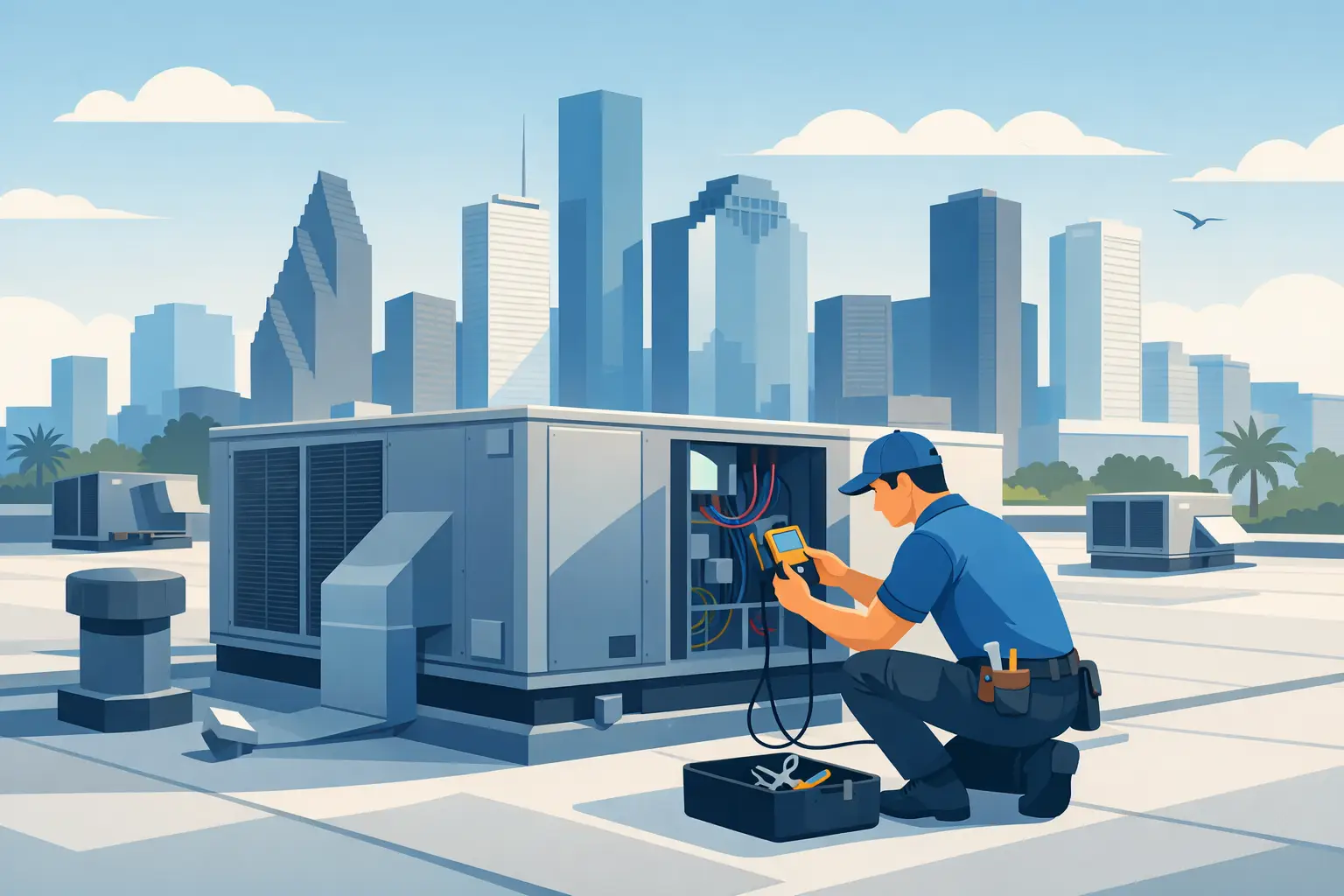

When your AC still runs but struggles through a Houston summer, replacement is not always the first move. Some of the best upgrades for older air conditioners can improve comfort, reduce strain on the system, and buy you more reliable cooling without jumping straight to a full installation.
For homeowners and small business owners, that matters. An aging unit may still have useful life left, but older systems often cool unevenly, run longer than they should, and push utility bills higher every month. The right upgrade depends on the system’s condition, your ductwork, your thermostat setup, and how hard the equipment is working to keep up with the heat.
When upgrades make sense - and when they do not
Upgrades are usually worth considering when the equipment is older but still fundamentally sound. If your air conditioner has a healthy compressor, no major refrigerant issues, and a cabinet and coil setup in serviceable condition, targeted improvements can make a noticeable difference.
If the unit is breaking down often, uses outdated refrigerant, or has reached the point where repair costs keep stacking up, an upgrade plan may only delay the inevitable. In that case, a replacement estimate gives you a clearer picture of long-term value. A good contractor should tell you honestly which side of that line you are on.
The best upgrades for older air conditioners start with control
1. Smart thermostat installation
A smart thermostat is one of the most practical upgrades for an older AC system because it improves how the system runs without changing the entire unit. Many older air conditioners cool based on basic on-off calls from outdated thermostats that do not react well to occupancy patterns, humidity, or schedule changes.
A properly selected smart thermostat can tighten temperature control, reduce unnecessary runtime, and help you avoid cooling an empty house or workspace all day. For Houston properties where AC demand stays high for long stretches, that reduction in runtime can translate into lower utility costs and less wear on aging equipment.
That said, compatibility matters. Some older systems, especially those with nonstandard wiring or older furnace and air handler combinations, need a professional review before installation. The wrong thermostat can create performance issues instead of solving them.
2. Zoning or airflow balancing
If some rooms stay cold while others never seem comfortable, the issue may not be the condenser outside. It may be how air is distributed indoors. Airflow balancing and, in some cases, zoning upgrades can correct uneven temperatures that homeowners often assume are caused by a failing AC unit.
Balancing may involve damper adjustments, duct modifications, or changes to supply and return performance. Zoning is a bigger step and works best in homes or small commercial spaces with distinct areas that heat up differently throughout the day. It is not the right fit for every older system, but when the layout supports it, zoning can improve comfort without overcooling the entire building.
Efficiency gains often come from the duct system
3. Duct sealing
One of the most overlooked upgrades for older air conditioners is duct sealing. Older duct systems commonly leak cooled air into attics, wall cavities, or unused spaces before that air ever reaches the rooms you are trying to cool.
That forces the AC to run longer to hit the thermostat setting. In Houston, where attic temperatures can get extreme, leaking ducts can make an older system feel much weaker than it really is. Sealing those leaks often improves airflow, shortens cooling cycles, and makes indoor temperatures more consistent.
This is especially important in homes that always seem humid, dusty, or uneven from room to room. If the ductwork is compromised, even a strong condenser can only do so much.
4. Duct insulation improvements
If your ducts run through a hot attic, insulation matters almost as much as sealing. Older duct insulation may be damaged, undersized, or deteriorated from years of heat exposure. When that happens, cooled air picks up heat on its way to the vents.
Improving duct insulation helps preserve the temperature of conditioned air and reduces waste. It is not the flashiest upgrade, but it supports better performance from the system you already have. For many Houston-area properties, this is one of the more cost-effective ways to improve comfort during peak summer demand.
The air side of the system deserves attention too
5. Blower motor or indoor fan upgrades
Older AC systems often suffer from weak airflow, and the problem is sometimes tied to the indoor blower assembly. Upgrading a worn or inefficient blower motor can improve air circulation, help the system move conditioned air more effectively, and support better humidity control.
In some cases, moving to a variable-speed blower setup can provide more consistent comfort and quieter operation. It may also help the system run more efficiently because airflow can be adjusted more precisely than with older single-speed components.
This upgrade is more technical than swapping a thermostat, and not every older system is a candidate. Still, when compatible, it can make the entire HVAC system feel more responsive and stable, especially in homes where airflow complaints never seem to go away.
6. Enhanced filtration and indoor air upgrades
Older air conditioners were not always paired with the kind of filtration many households want today. If your system can support it, an upgraded filtration setup can improve indoor air quality while also helping protect the equipment from excessive dust buildup.
The key is not to overdo it. A filter that is too restrictive for an older blower can reduce airflow and create more problems than it solves. A technician should match the filtration upgrade to the system’s static pressure and airflow capacity.
For homes with pets, allergy concerns, or high dust levels, this is often a worthwhile improvement. It will not turn an old AC into a new one, but it can improve comfort in a way people notice day to day.
Maintenance-related upgrades can extend system life
7. Condensate safety switches and overflow protection
This may not be the first thing people think of when they hear upgrades, but it is one of the smartest additions for older equipment. As systems age, drain line clogs and condensate issues become more common. In Houston’s humidity, a backed-up drain can lead to water damage, emergency shutdowns, and service calls at the worst possible time.
Adding condensate safety switches and improving drain protection helps prevent small issues from becoming expensive ones. For landlords, small business owners, and homeowners trying to avoid surprise damage, this upgrade is practical and often inexpensive compared to the cost of cleanup and repairs.
What about adding refrigerant, hard start kits, or bigger parts?
Some upgrades sound appealing because they promise quick results, but they are not always the best investment. Adding refrigerant only helps if the charge is low and the leak issue has been properly addressed. Otherwise, it is a temporary fix.
Hard start kits can sometimes help an aging compressor start more reliably, but they do not solve deeper compressor wear. And installing larger components without proper system matching can hurt performance rather than improve it. Older air conditioners respond best to upgrades that are based on testing, inspection, and actual system conditions, not guesswork.
How to choose the right upgrade path
The best approach starts with an honest evaluation. A technician should inspect refrigerant performance, temperature split, duct leakage, static pressure, blower operation, drainage, thermostat setup, and the overall condition of the equipment. From there, you can compare what is worth upgrading now versus what money should be reserved for eventual replacement.
For some properties, a smart thermostat and duct sealing will solve most of the comfort issues. For others, airflow work and indoor fan upgrades will deliver better results. And sometimes the inspection confirms that replacement is the more cost-effective path.
That is why clear guidance matters. A responsive local company should be able to handle both sides of the conversation - improving the system you have today and planning for replacement when the time is right. If you are weighing repair, performance upgrades, or a full system change, Elisee HVAC and Home Services Houston can help you make that call based on comfort, cost, and how much life your current system realistically has left.
Older air conditioners do not always need to be replaced the moment they show their age. But they do need the right support. The smartest upgrade is the one that solves the actual problem, protects uptime in the heat, and keeps your space comfortable without wasting money on fixes that do not move the needle.