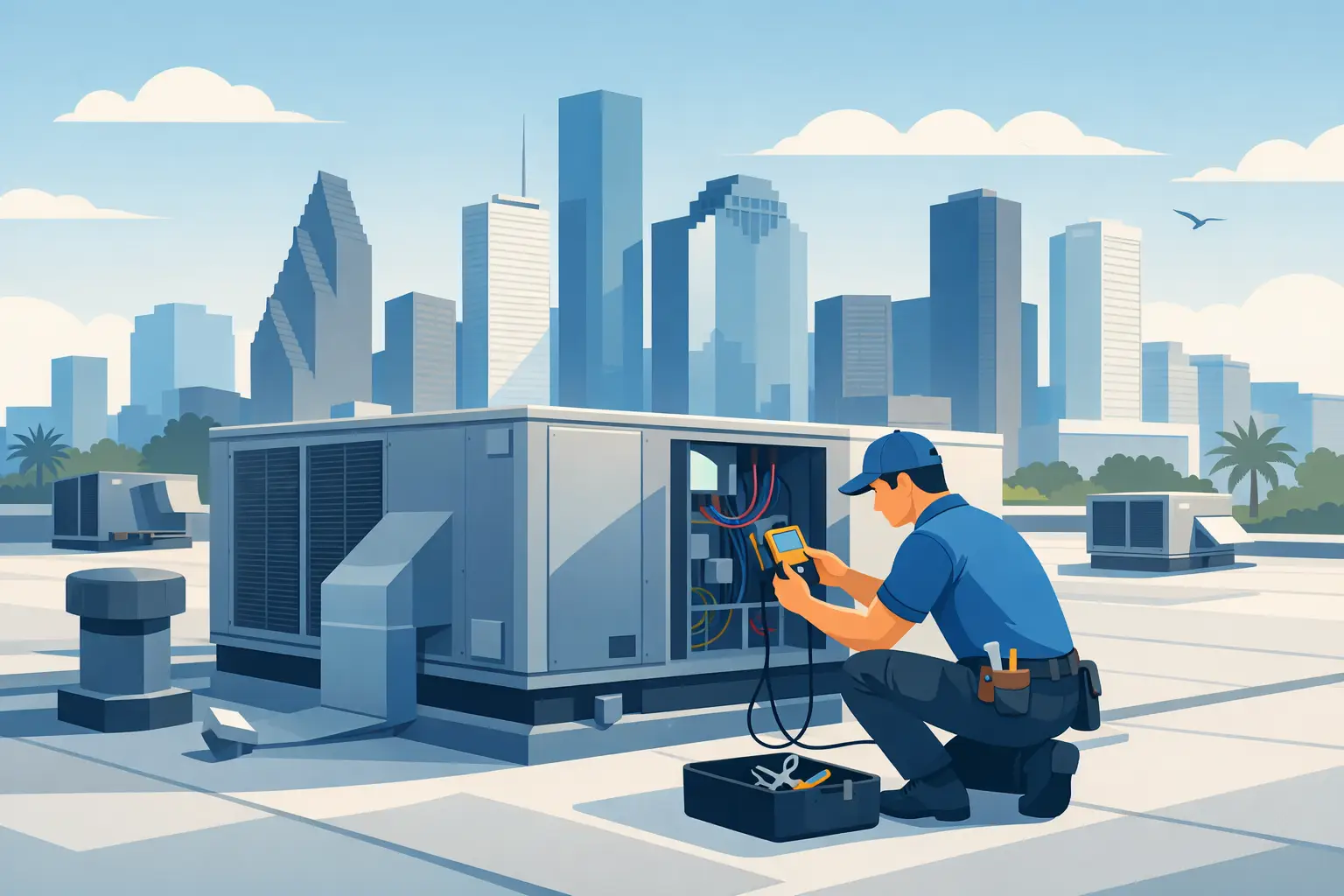
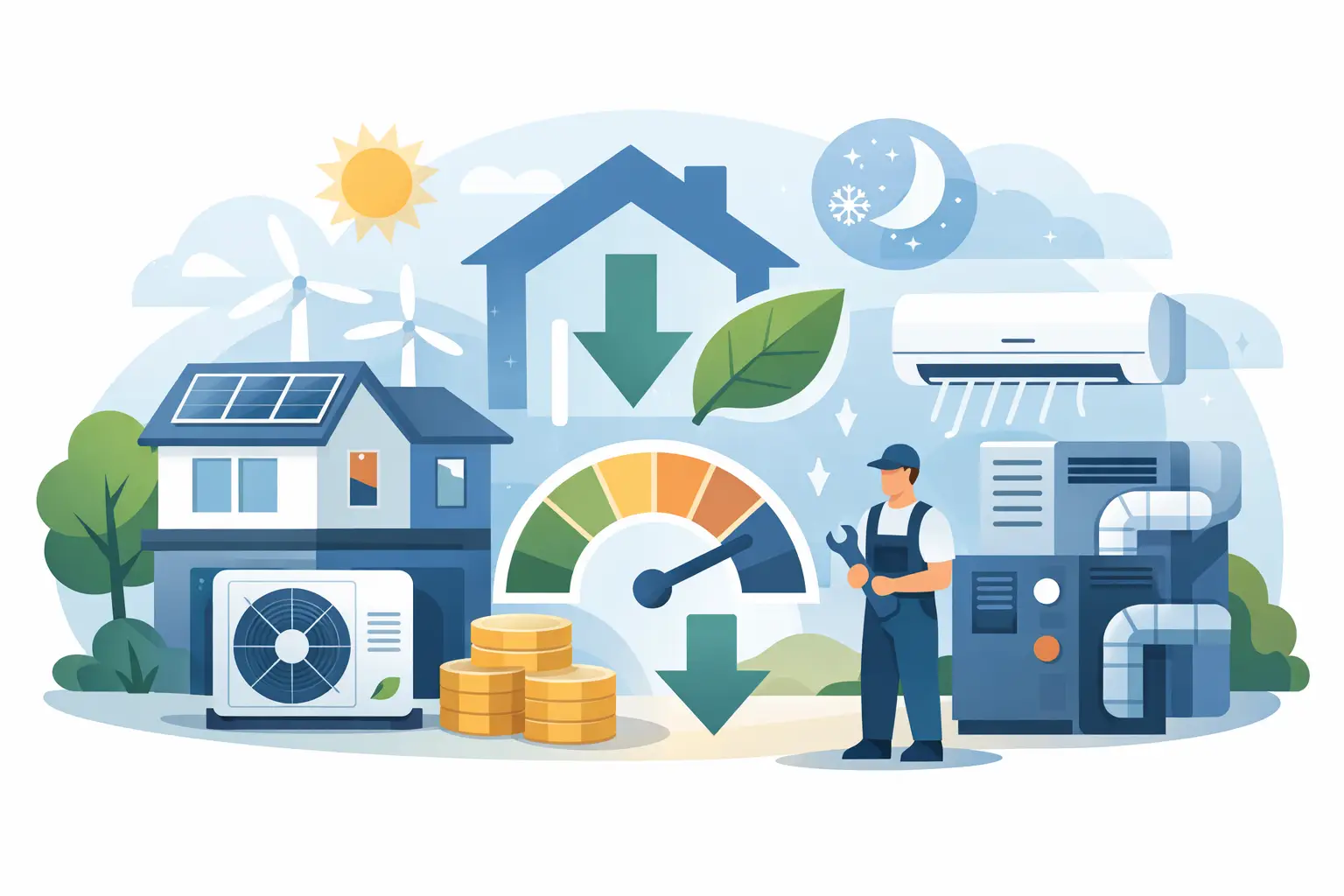
When your AC runs all day and the house still feels uneven
That is usually the moment homeowners start asking about upgrades. In Houston, an HVAC system does not get many easy days. It works through long cooling seasons, high humidity, and peak summer demand that exposes every weak spot - aging equipment, leaking ducts, poor airflow, and outdated controls.
The good news is that better efficiency does not always mean replacing everything at once. The right high efficiency HVAC upgrades for homes depend on what your system is doing now, how old it is, how your ductwork performs, and whether your biggest problem is high utility bills, hot rooms, humidity, or all three. A smart upgrade plan should lower waste, improve comfort, and reduce the odds of a breakdown when you need cooling most.
Which high efficiency HVAC upgrades for homes matter most?
Some upgrades deliver strong results on their own. Others only pay off when paired with system corrections like airflow balancing or duct sealing. That is why a technician-led assessment matters. You want upgrades that fit the house, not a one-size-fits-all package.
High-efficiency AC or heat pump replacement
If your current system is older, frequently repaired, or struggling to keep up, replacing the central unit may be the biggest opportunity. New high-efficiency air conditioners and heat pumps use less energy to deliver the same cooling, and variable-speed models can adjust output more precisely instead of cycling hard on and off.
In Houston homes, that matters for more than the electric bill. Better systems tend to control indoor humidity more effectively, which can make the home feel cooler at a higher thermostat setting. That can translate into real savings without sacrificing comfort.
Still, replacement is not automatically the first move. If the equipment is in decent shape and the real issue is duct leakage or poor maintenance, a full install may not be the best first dollar spent.
Variable-speed air handlers and blowers
A variable-speed blower motor can be one of the most noticeable comfort upgrades in a home. Instead of operating at a single fixed speed, it ramps up and down based on demand. That helps with quieter operation, steadier temperatures, and improved humidity removal.
For homes with hot upstairs rooms, uneven airflow, or that familiar blast-of-air followed by stuffiness, this type of upgrade can make a real difference. It also supports better filtration and can reduce some of the wear associated with constant full-speed starts.
The trade-off is cost. Variable-speed components are more advanced, and not every older system is a good candidate for partial upgrades. Compatibility needs to be checked carefully.
Duct sealing and duct improvements
This is one of the most overlooked efficiency upgrades in residential HVAC. If conditioned air is escaping into attics, wall cavities, or unconditioned spaces, your system is paying to cool areas that do not help your comfort.
Leaky ducts can also create pressure imbalances and make some rooms harder to cool than others. In many homes, duct sealing improves efficiency more affordably than equipment replacement, especially when the existing system still has useful life left.
Duct upgrades may also include resizing sections, correcting poor layout, or improving insulation around ducts that pass through hot attic spaces. These are not glamorous improvements, but they often solve the problems homeowners feel every day.
Smart thermostat upgrades
A smart thermostat is not a magic fix, but it is often a practical upgrade when paired with a sound HVAC system. Better scheduling, remote access, maintenance alerts, and more precise control can help reduce unnecessary runtime.
For busy households and property owners managing multiple priorities, that convenience matters. You can make changes from your phone, reduce cooling while the house is empty, and avoid the energy waste that comes from leaving settings untouched for weeks.
That said, thermostats cannot compensate for undersized systems, clogged filters, or duct leakage. If comfort problems are mechanical, control upgrades only go so far.
Zoning systems
Zoning allows different areas of the home to be conditioned independently. In larger homes, two-story layouts, or houses with rooms that stay hotter than the rest, zoning can improve both comfort and efficiency by directing cooling where it is needed.
This can be especially helpful when occupancy patterns vary. If one part of the home sits unused for much of the day, zoning may help reduce wasted conditioning.
But zoning has to be designed correctly. Done poorly, it can create airflow issues and strain equipment. It is not a plug-and-play feature, and it makes the most sense in homes with clear temperature differences or usage patterns.
What usually gives Houston homeowners the best return?
In this climate, the best return often comes from solving hidden inefficiencies before chasing top-end equipment ratings. A high-efficiency condenser installed on a home with leaking ducts, poor airflow, and neglected maintenance will not perform the way it should.
That is why many homes benefit most from a sequence rather than a single upgrade. Start by identifying where energy is being wasted. If duct leakage is high, static pressure is off, or the existing unit is short cycling, those issues should shape the upgrade plan.
For one homeowner, the right answer may be duct sealing plus a smart thermostat and a maintenance plan. For another, it may be a full variable-speed system replacement with financing to avoid pouring money into an aging unit that keeps failing in peak summer.
Signs you are ready for an efficiency upgrade
You do not have to wait for a complete breakdown to improve HVAC performance. In fact, earlier action usually gives you more options and avoids rushed decisions during an emergency.
If your energy bills keep rising without a clear utility rate increase, your system may be losing efficiency. If certain rooms are always warmer, the issue may be airflow or duct-related. If the AC runs for long stretches and still leaves the house muggy, it may be time to look at equipment performance and humidity control together.
Frequent repairs are another sign. When service calls become routine, repair costs start competing with the value of replacement. The same goes for systems approaching the later years of their service life. Even if they still run, they may be doing so inefficiently and with less reliability than your household can afford.
Why professional sizing and installation matter so much
Efficiency is not just about the label on the equipment. It is about how the entire system is selected, installed, and tuned. A unit that is too large may cool the house quickly but shut off before removing enough humidity. A unit that is too small may run constantly and still struggle.
Improper refrigerant charge, bad airflow setup, or unaddressed duct restrictions can drag down performance from day one. That is why homeowners should be careful about upgrade decisions based only on advertised efficiency ratings.
A reliable contractor should look at the whole picture - system age, home layout, insulation conditions, duct performance, and your comfort goals. If financing is part of the decision, that should be addressed clearly too, because the best upgrade plan is the one that improves comfort without creating unnecessary financial strain.
Maintenance protects the value of any upgrade
Even the best high-efficiency system needs regular care. Dirty coils, clogged filters, low refrigerant, and blower issues can erode performance over time. Maintenance is what helps an upgrade keep delivering the savings and comfort you expected.
That matters even more in Houston, where long cooling seasons put extra demand on equipment. Seasonal tune-ups can catch early wear, keep airflow where it should be, and reduce the chance that a preventable issue turns into an urgent repair in extreme heat.
For homeowners who want a practical path forward, the best first step is not guessing which product sounds impressive. It is getting a clear assessment of where your current system is losing performance and which upgrade will actually fix it. If you are weighing repair versus replacement or want a plan built around comfort, efficiency, and uptime, a local team like Elisee HVAC and Home Services Houston can help map out the next move with real-world conditions in mind. The right upgrade should make your home feel better every day, not just look better on paper.