
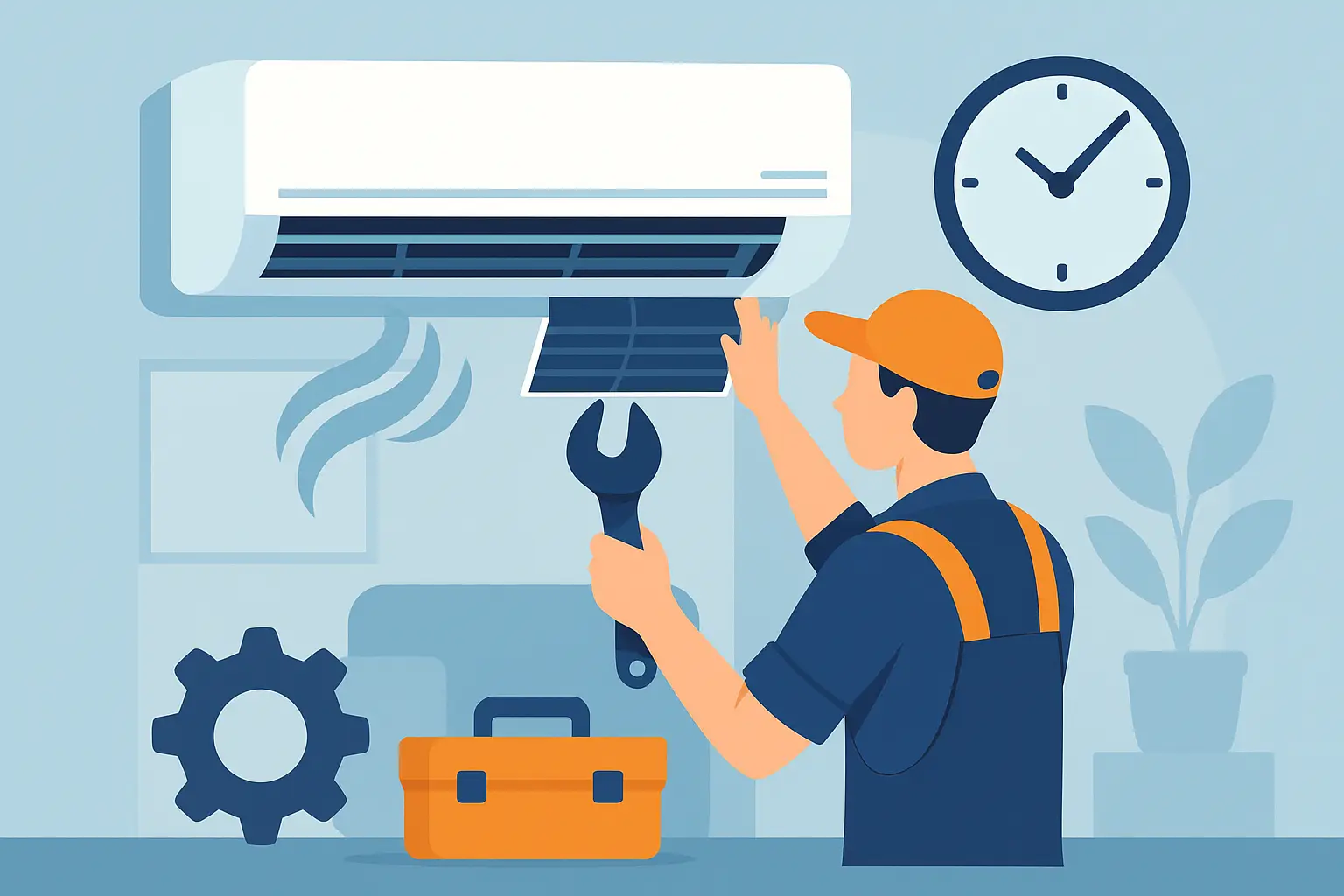
Houston heat has a special talent: it waits until the evening, a weekend, or the hottest hour of the day to expose an AC problem you could ignore in April. When the thermostat climbs past 80 and the air coming from the vents feels like a weak sigh, the goal is simple - get safe, reliable cooling back fast without creating a bigger (and more expensive) mess.
If you’re searching for 24 hour ac repair houston, you’re probably already in decision mode. This guide is written for homeowners and small-to-mid-sized businesses who need practical next steps, clarity on what’s urgent, and a realistic idea of what happens during an after-hours service call.
First: make the situation safer and easier to diagnose
Before anyone arrives, you can do a few quick checks that often shorten the repair time. Keep it simple and stop if you smell burning, see smoke, or hear loud electrical buzzing.
Start at the thermostat. Confirm it’s set to “Cool,” the set point is lower than the room temperature, and the fan is set to “Auto” (not “On”). If your thermostat uses batteries and the screen is dim or blank, replace them. It sounds basic, but it’s a common late-night “failure” that isn’t a failure at all.
Next, check your air filter. A severely clogged filter can restrict airflow enough to cause icing or shutoffs. If it’s dirty, replace it. Then give the system 15-20 minutes to see if airflow improves.
Now look at the indoor unit’s drain. In Houston humidity, a backed-up condensate drain can trigger a float switch that shuts the system down to prevent water damage. If you see water around the indoor unit or a dripping overflow pan, turn the system off and call for service. Don’t keep cycling it - you can turn a small drain issue into ceiling damage quickly.
Finally, check the electrical panel for a tripped breaker and the outdoor disconnect (if accessible). Reset a breaker once. If it trips again, leave it off. Repeated resets can damage components and can be dangerous.
When it’s truly an emergency (and when it can wait)
Not every loss of cooling is a life safety emergency, but Houston is one of the few places where “no AC” can become a real health issue fast.
Treat it as urgent if you have infants, elderly family members, anyone with respiratory or heat sensitivity, or if indoor temperatures are rising quickly. For businesses, it’s urgent when you’re protecting inventory, equipment, or customer areas - restaurants, small clinics, salons, and server closets don’t get much grace from heat.
It might be able to wait until morning if your home is staying near the mid-70s to low-80s, you have working ceiling fans, and the system is still moving some cool air. Even then, keep an eye on the trend. A slow climb at 9 p.m. can turn into an uncomfortable and unsafe house by 2 a.m.
What a 24-hour AC repair visit usually looks like
After-hours repairs should still be professional, methodical, and focused on getting you stable. A good technician doesn’t guess. They verify.
Typically, the first step is confirming the complaint: supply air temperature, airflow, thermostat call, and basic electrical checks. Then the technician narrows the issue to one of three zones: airflow, refrigeration, or electrical controls.
If the system is frozen, the right move is usually to stop cooling and let the coil thaw, then find the reason it froze. That reason is often low airflow (dirty filter, blower issue, blocked return) or refrigerant problems (leak, improper charge). “Just add refrigerant” is not a real fix if there’s a leak - it’s a temporary bandage.
If the outdoor unit isn’t running, the technician often checks the capacitor, contactor, and wiring connections first, then confirms the condenser fan and compressor are operating within safe ranges. In Houston, capacitors are a repeat offender because heat and long run times wear them out.
If the indoor blower isn’t running, the focus shifts to the blower motor, module (for variable-speed systems), control board signals, and safety switches. Many “no AC” calls are actually “no airflow,” and the house warms up even if the outdoor unit is still working.
Common causes of after-hours AC breakdowns in Houston
Houston systems run hard and run long. That makes certain failures more likely during peak demand.
A failed capacitor is one of the most common reasons an outdoor unit won’t start or struggles to keep up. You may hear a hum, see the fan not spinning, or notice the system trips the breaker. This is often a straightforward repair, but it has to be diagnosed and handled safely.
A clogged condensate drain can shut your system down with no warning, especially after days of heavy humidity. If you’ve ever noticed algae buildup in the drain line, you already know how fast it can return.
Dirty coils (indoor evaporator or outdoor condenser) are another Houston classic. When coils can’t transfer heat well, your system runs longer, pressures rise, and components wear faster. The unit may still “work,” but comfort drops and energy costs climb.
Refrigerant leaks are less common than filters and drains, but they’re important. Low refrigerant can lead to icing, poor cooling, and compressor stress. The long-term solution is finding and correcting the leak, then charging the system properly.
Electrical and control issues can show up as short-cycling, no response to thermostat calls, or random shutoffs. A professional diagnosis matters here, because replacing parts without confirming the cause can become a frustrating and expensive cycle.
Questions to ask when you’re scheduling 24-hour AC repair
When you’re hot and tired, it’s easy to say yes to whoever answers first. A few quick questions can protect you from surprises.
Ask how emergency pricing works and whether there’s a diagnostic fee. After-hours service often costs more - that’s normal. What you want is clarity up front.
Ask whether the technician will arrive with common failure parts for your type of system. For many residential units, that includes capacitors, contactors, fuses, float switches, and basic controls. For commercial rooftop units, the approach may differ, and some parts may require sourcing.
Ask what “repair” means tonight. Sometimes the right outcome is a safe temporary restoration (for example, stabilizing operation and scheduling a follow-up for deeper cleaning or a refrigerant leak repair). The goal is comfort and continuity without shortcuts that damage the system.
How to keep your home or business cooler while you wait
Even a fast response can take time in a city the size of Houston. While you’re waiting, reduce heat gain and manage humidity.
Close blinds and curtains, especially on west-facing windows. Keep interior doors open to improve airflow unless you’re isolating a specific area with a portable unit. If you have ceiling fans, run them only in occupied rooms - they cool people, not air.
Avoid running ovens, dryers, and other heat-heavy appliances. In a small business, consider shutting down nonessential equipment that dumps heat into the space. If you have a dehumidifier, it can help the space feel more comfortable at higher temperatures.
If anyone in the home is vulnerable to heat, don’t try to “tough it out.” Go to a cooler location and keep hydration in mind. Comfort is important, but safety comes first.
Repair vs. replace: what matters during an emergency
A midnight breakdown is not the ideal time to make a major equipment decision. Still, some situations make replacement part of the conversation.
If your system is older (often 10-15+ years depending on maintenance and usage), has a history of leaks, or uses older refrigerants that are harder to service, it may be smarter to plan a replacement soon. That doesn’t always mean you replace tonight. Many customers choose to restore cooling now, then schedule a replacement estimate in daylight with time to compare options.
If the repair is minor and the system has been reliable, fixing it is usually the right call. If you’re facing repeated failures, high utility bills, or uneven cooling, that’s when an efficiency consult and a longer-term plan can pay off.
Preventing the next after-hours call (without overthinking it)
Most emergency breakdowns have warning signs: slightly longer run times, musty odors, warm rooms that never quite catch up, water near the indoor unit, or a sudden jump in your power bill.
Seasonal maintenance is the simplest way to reduce surprises. A proper visit should include checking airflow, cleaning coils as needed, clearing and treating the drain line, measuring refrigerant performance, inspecting electrical components, and confirming safe temperature splits. For businesses, it should also include basic operational checks that protect uptime during the hottest weeks.
If you’ve had drain clogs before, adding a routine drain treatment and verifying the float switch operation can save you from a no-cool shutdown on the most humid night of the year.
For homeowners and property managers who want one vendor for emergency repairs, maintenance scheduling, system upgrades, and efficiency improvements, Elisee HVAC and Home Services Houston provides 24/7 availability across the Houston metro, with the kind of technician-led guidance that helps you make the right call now and the smart call later. You can learn more at https://Eliseehomeserviceshoustob.com.
A practical way to think about it tonight
When your AC fails after hours, the best next step is the one that restores safe comfort without gambling on the system. Do the quick checks you can do safely, then let a qualified technician diagnose it properly - because the goal isn’t just cold air for the next hour, it’s keeping your home or business comfortable through the next Houston heat wave.